

Starting a New Project? How Your Local Lumber Supply Can Assist
Constructing or upgrading a waterfront property can significantly enhance your outdoor living experience and overall property value. However, before making this important purchase and construction decision, it is crucial to consider several factors to ensure you choose the ideal materials for your space. Choosing proper marine-grade wood ensures your project will withstand the harsh aquatic environment. Whether you are planning to install new decking and railings or building complete boat docks and pilings, securing a reliable lumber supply is an absolute necessity. Understanding the nuances of marine construction helps avoid common pitfalls. This article delves into critical considerations guiding you through the process of evaluating your new structure. Evaluating options with care guarantees you find the perfect fit, paving the way for a smooth transition into the main steps of choosing your waterfront setup.
Measuring Space and Choosing Materials With Care
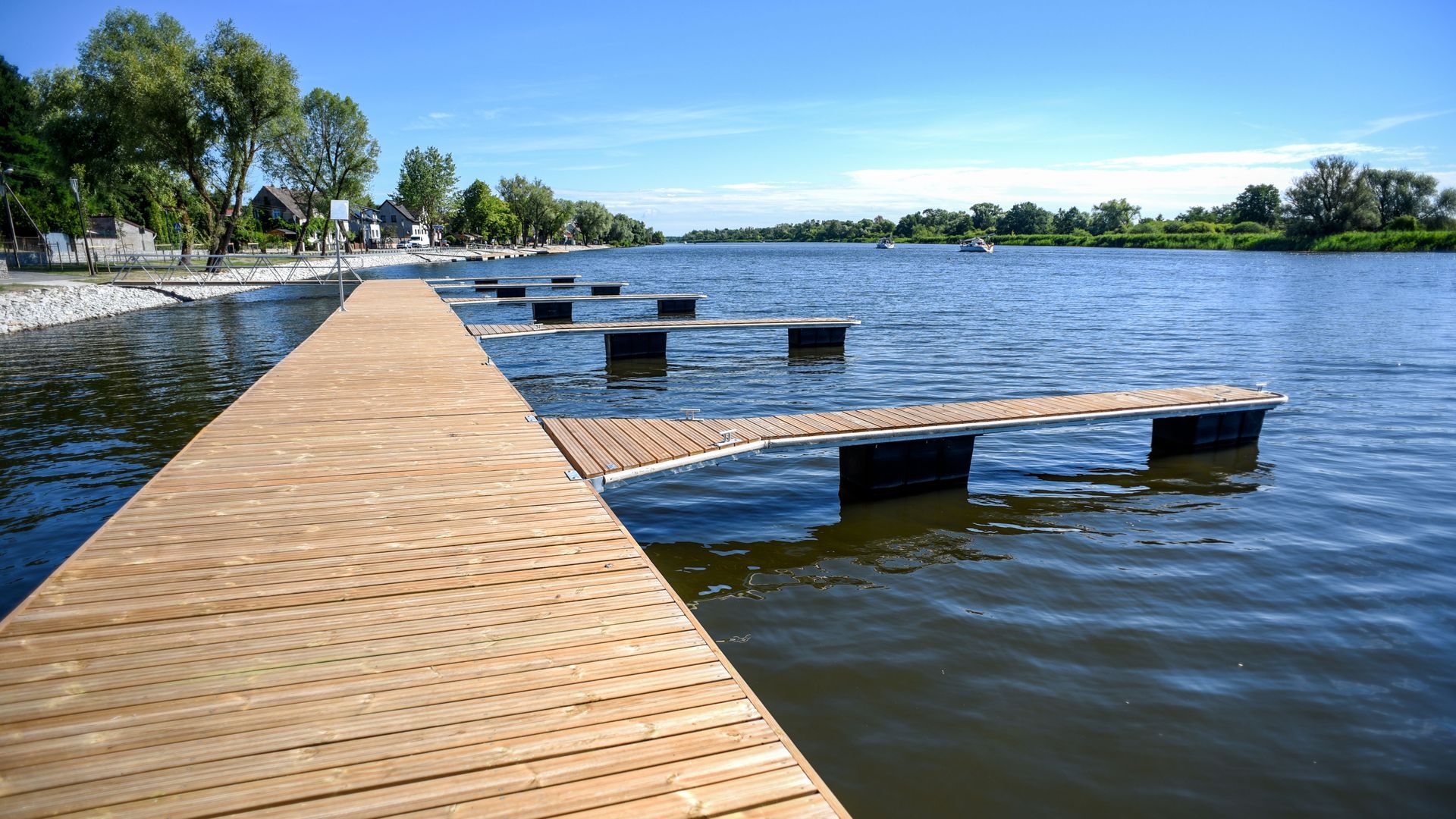
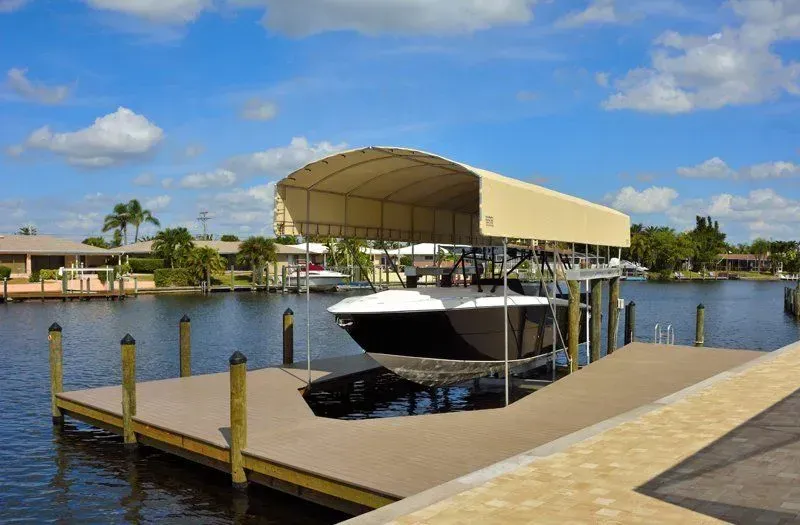
One of the first steps before purchasing materials from a local provider is to measure the available space in your waterfront area. It is essential to measure the width and length, plus the water depth, ensuring proper fit for boat docks and pilings. Adequate space is necessary to allow for proper boat navigation. Consider the location of property lines and fixed environmental elements affecting placement. Accurate measurements prevent construction issues and ensure a seamless look. When deciding between different wood dimensions, consider the load capacity needed for daily use. Assess your habits to determine the appropriate materials. Construction choices extend beyond size, with the decision between different wood treatments playing a major role in longevity. Upgraded decking and railings offer a sleek look and are often safer, designed to resist splintering and weathering. Freestanding floating docks provide flexibility for properties experiencing frequent tidal changes. Securing a steady lumber supply ensures your project moves forward without unnecessary delays. Evaluate your shoreline layout to pick the optimal choice.
Ensuring Environmental and Structural Requirements Are Met
Ensuring water depth compatibility is a core requirement when planning a new installation. Typically, a dock needs a reliable foundation connected via deeply driven pilings. Check whether your existing underwater configuration supports this before starting the design phase. Modifying structural plans mid-project adds high costs, so ensure compatibility from the start. Consulting a professional marine contractor is advisable if uncertainties exist regarding soil conditions. The framework must be able to handle heavy loads and rough waters effectively. Modern structures normally connect to a seawall or existing bulkhead, requiring proper alignment and height adjustment. Walkways must be free of obstruction and meet local requirements. Aligning everything properly means avoiding water damage or structural inefficiencies. Assessing the environmental impact is another necessary consideration for an efficient setup. Modern projects require a dedicated plan and permits to function safely. Determining the precise location of your structure is vital to avoid encroaching on protected marine habitats. Securing premium dock accessories provides peace of mind. Partnering with a knowledgeable source for your lumber supply will keep your construction fully compliant and sound.
Prioritizing Durability and Weather Resistance With Precision
In modern waterfront households, material durability is a key factor when evaluating options for outdoor construction. High-quality wood products withstand harsh sun and saltwater environments far better than conventional materials. This helps reduce your maintenance footprint and lowers replacement costs over time. Weather resistance varies greatly across different treatment levels, with significant implications for structural integrity. Heavy-duty treated boards may last significantly longer per installation, compared to older untreated options that degrade rapidly. This reduction in decay means less strain on your maintenance budget. Considering long-term cost savings of highly durable materials is crucial in the decision-making process. According to Zipdo, 80% of residential sheds are built utilizing wood, with pressure-treated wood being the preferred option because of its exceptional longevity. This same principle applies heavily to marine construction. Factors such as lower repair bills contribute to overall budget management. Despite a higher upfront cost, financial benefits compound over the structure's lifetime. High-quality materials can easily last over two decades. Balancing immediate expenses with long-term savings helps prioritize efficiency. Finding a high-quality lumber supply remains vital for achieving lasting durability.
Analyzing Features and Functionality for Your Project
The range of design options and layouts offered plays a fundamental role in overall functionality. Many modern marine structures feature multiple configuration settings catering to different utility needs, such as heavy-duty boat lifts, quick access ramps, or multi-level lounging areas. These options allow users to tailor operation according to watercraft load and recreational preferences. Understanding and utilizing these designs maximizes space efficiency and enhances outdoor enjoyment. Analyzing your household's usage patterns guides you in finding a layout that aligns with your preferences. Safety features are an important consideration for those who prize secure operation around deep water. Upgrading your decking and railings with advanced slip-resistant technology enhances overall safety. A sturdy railing model is highly desirable in family homes where children play near the water. Checking weight capacity ratings helps prospective buyers identify materials offering exceptional structural support. Advanced add-ons such as integrated lighting and power connectivity options are influencing modern designs. Incorporating premium dock accessories allows for convenient utility access through strategically placed pedestals. Working with a versatile lumber supply ensures all these custom features come together beautifully.
Establishing Budgets and Anticipating Additional Costs
Understanding price ranges across different material grades helps in setting practical budgetary expectations before starting your project - a critical step for success. It is crucial to balance desired features with budget constraints, ensuring necessary functionality does not strain financial resources. Buyers should account for upfront costs and maintenance savings when considering premium treated wood. Comparing costs across multiple grade levels aids in securing cost-effective deals, sometimes saving lots of money on large orders. Installation and labor costs are important when evaluating the overall budget for your waterfront upgrade. Depending on existing configurations, the process can vary from a straightforward resurfacing to extensive piling replacements or seawall adjustments. Purchasing extra items like structural hardware affects the total cost. Evaluating the cost-benefit relationship remains essential when deliberating on a purchase for boat docks and pilings. Budget planning should include analyzing the structure's impact on property value and potential repair costs. Finding materials meeting necessary requirements pays dividends in convenience and safety. Phased construction plans can alleviate upfront financial pressure. Securing a reliable lumber supply early in the process helps lock in pricing and prevents unexpected budget overruns.
Researching Supplier Reputation and Customer Reviews
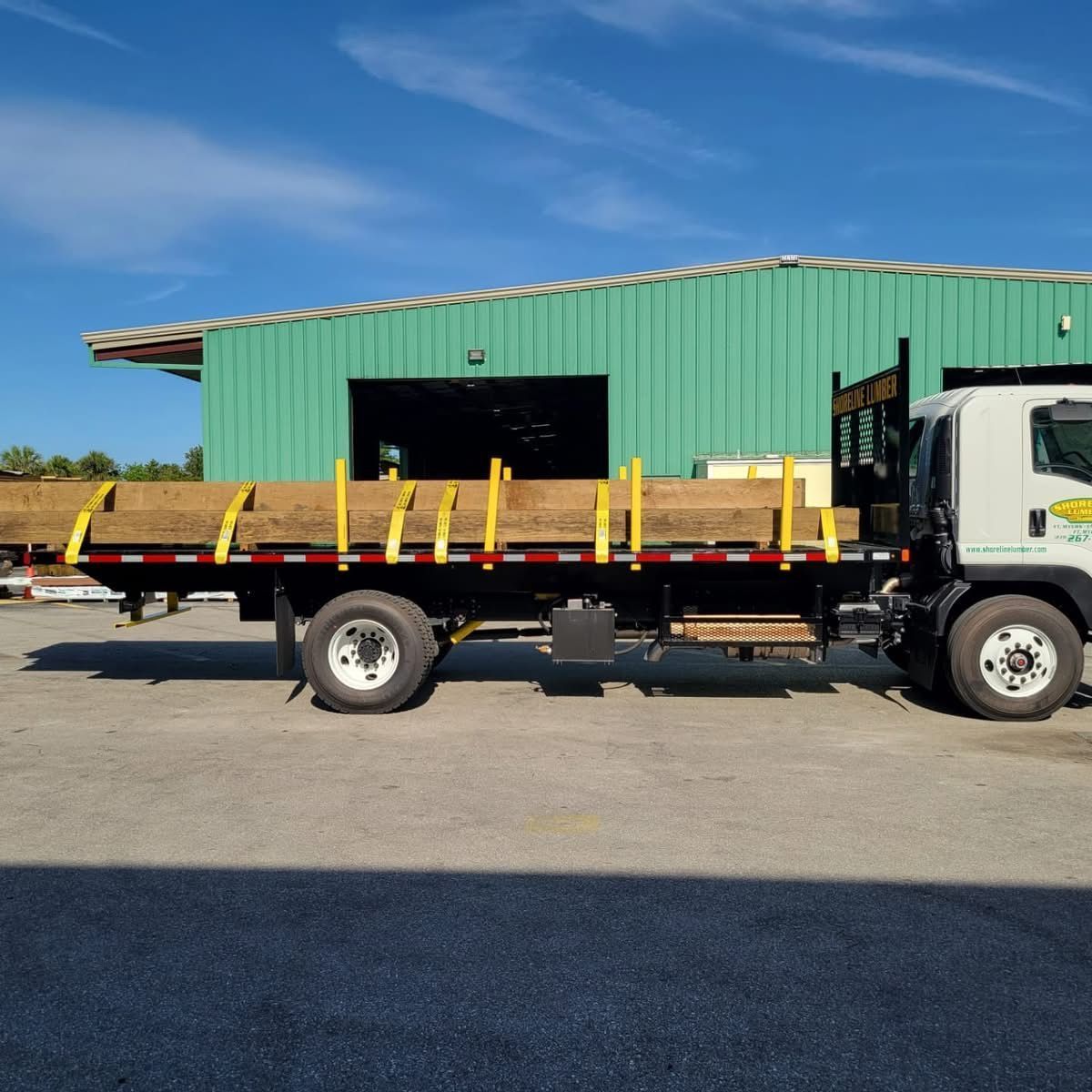
Researching reliable material providers is critical to ensure product longevity and performance satisfaction. Established businesses typically offer superior quality and reliable after-sales support, making them a smart choice for significant waterfront investments. Local industry reports, contractor recommendations, and buying guides highlight dependable sources based on material performance and customer satisfaction. Considering these resources helps identify providers with a strong history of durable and efficient products. It pays to evaluate which distributors consistently provide value before finalizing your materials list. Customer reviews and testimonials play a pivotal role in assessing real-world performance in coastal environments like Englewood and Ft Myers. Past buyers offer insights into the longevity, functionality, and potential issues associated with particular wood treatments. Analyzing patterns in feedback highlights consistent strengths or weaknesses, providing an honest evaluation. While customer opinions are subjective, they reflect widespread user experiences guiding buying decisions. Ensuring excellent delivery support is as crucial as evaluating the wood itself. Unforeseen structural issues may arise, requiring accessible product warranties. An excellent lumber supply company will have a proven track record of maintaining high standards for every customer.
Constructing a new waterfront feature requires careful consideration of various factors, including environmental conditions, installation needs, structural efficiency, safety features, budget, and material reliability. By thoroughly evaluating these specific aspects, you can make an informed decision that optimally suits your residential requirements and enhances your outdoor space. Finding the right lumber supply makes all the difference in achieving a beautiful and resilient final result. We understand how overwhelming this planning process can be, which is why we are here to guide you every step of the way. With proper guidance and premium materials, you can enjoy the serenity of coastal living and streamline your boating routine effectively. When you are ready to start building, we encourage you to explore the extensive inventory we offer at Shoreline Lumber Inc.

Marine Lumber Material: How to Choose Wood for Docks, Boat Repairs, and Other Water-Exposed Projects




Share On: