

Marine Lumber Trends Shaping Coastal Construction Projects
Adapting to Changing Coastal Construction Demands
Responding to Harsh Environmental Conditions
Coastal construction projects present unique challenges that require materials capable of withstanding constant exposure to moisture, salt, and fluctuating weather conditions. Builders and developers are increasingly prioritizing durability when selecting materials, and marine lumber supplies have become a central component in meeting these demands. These materials are specifically designed to perform in environments where traditional lumber may deteriorate more quickly, helping ensure long-term structural integrity. This focus on resilience is especially important in regions where storms and shifting tides can place additional stress on structures.
Supporting Long-Term Structural Performance
Structures built along coastlines must maintain strength and stability over extended periods. Materials used in these projects must resist warping, rotting, and corrosion caused by environmental stressors. This focus on performance has led to a growing reliance on high-quality lumber solutions that meet rigorous standards for coastal use. Long-term performance also reduces the likelihood of unexpected repairs, helping projects remain consistent and dependable.
Meeting Modern Construction Expectations
As coastal development continues to expand, expectations around quality and longevity have increased. Property owners and developers seek materials that not only perform well but also maintain their appearance over time. This shift has influenced how projects are planned and executed. In many cases, materials are selected with both immediate performance and future durability in mind.
Aligning With Industry Growth Trends
According to Industry Select, the average reported sales for lumber and wood companies in the United States reach approximately $253 billion, reflecting the significant scale of the industry. This level of activity highlights the continued demand for reliable building materials, particularly in specialized sectors such as coastal construction. As demand grows, innovation in materials and sourcing continues to evolve alongside industry needs.
Prioritizing Durability in Material Selection
Choosing Weather-Resistant Materials
Durability remains one of the most important factors in coastal construction. Builders are increasingly selecting marine lumber supplies that are engineered to resist moisture and environmental wear. These materials help reduce the likelihood of damage and extend the lifespan of structures. Selecting the right materials from the beginning helps prevent issues that may arise from constant exposure to coastal conditions.
Reducing Maintenance Requirements
Frequent repairs and replacements can significantly increase long-term costs. By choosing materials that are built to withstand harsh conditions, property owners can reduce maintenance needs and maintain consistent performance over time. Reduced maintenance also allows for better planning and fewer disruptions to the use of the space.
Supporting Structural Integrity
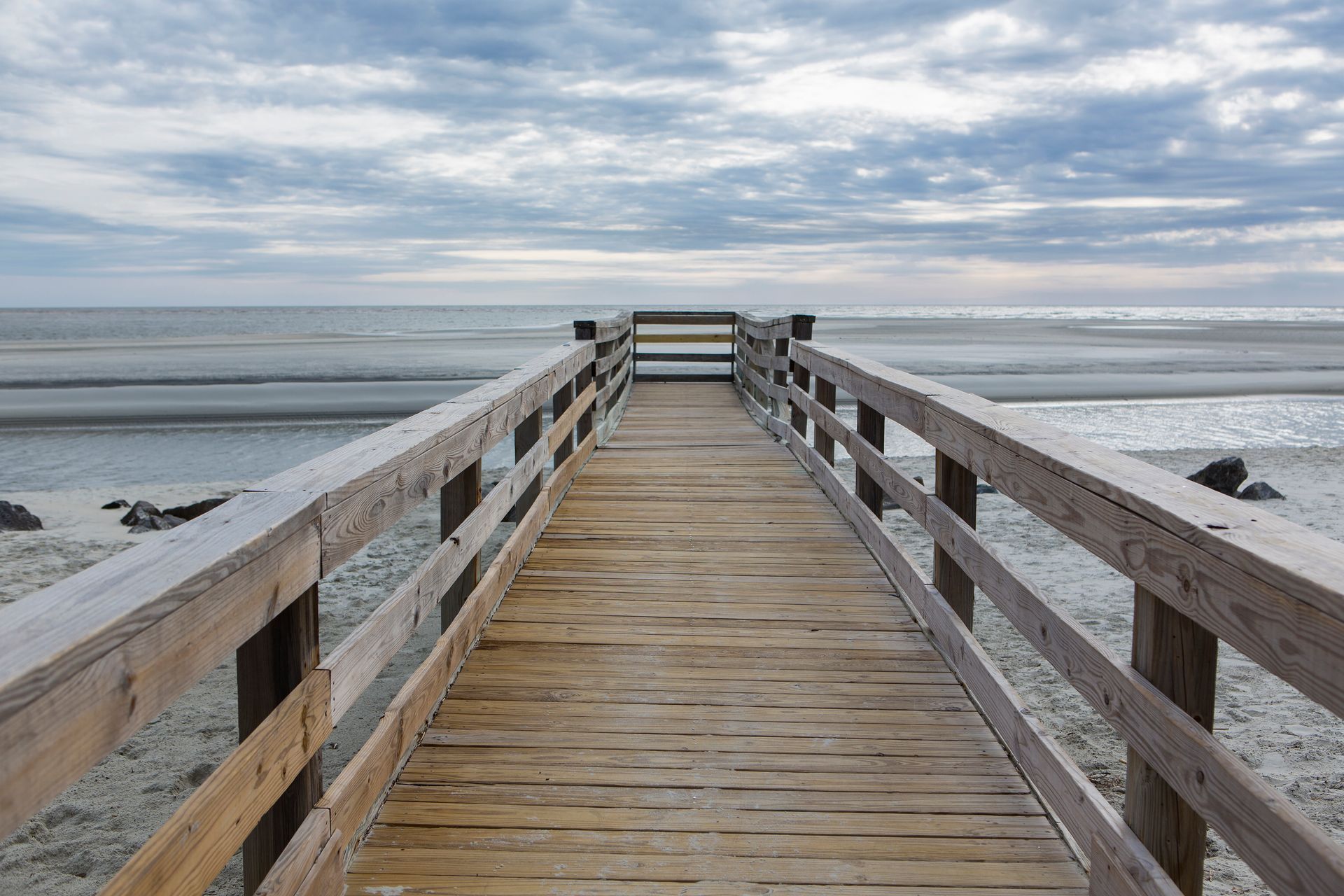
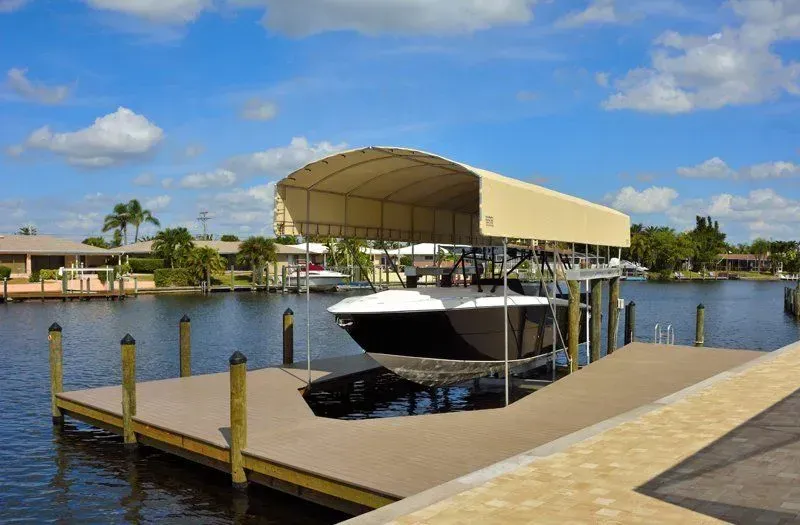
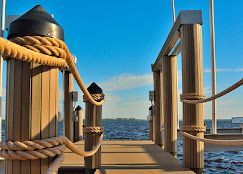
Reliable materials contribute to the overall stability of docks, piers, decks, and other coastal structures. This ensures that projects remain safe and functional even under demanding conditions. Structural integrity is especially important in areas where public access or frequent use is expected.
Enhancing Long-Term Value
Investing in durable materials helps protect the value of coastal properties. Structures that maintain their condition over time are more attractive to potential buyers and provide greater long-term returns. Long-lasting materials also contribute to a more consistent and polished appearance.
Incorporating Sustainable Material Practices
Using Responsibly Sourced Materials
Sustainability has become a key consideration in modern construction. Many builders are turning to marine lumber supplies that are sourced responsibly, helping reduce environmental impact while maintaining high performance standards. Responsible sourcing also supports long-term availability of quality materials.
Supporting Eco-Friendly Construction
Environmentally conscious practices are increasingly important in coastal areas, where ecosystems can be sensitive to development. Using sustainable materials helps minimize disruption and supports long-term environmental health. This approach aligns with growing expectations for responsible building practices.
Reducing Waste Through Longevity
Durable materials contribute to sustainability by reducing the need for frequent replacements. This helps limit waste and supports more efficient use of resources. Long-lasting materials also reduce the environmental impact associated with manufacturing and transportation.
Aligning With Regulatory Standards
Many coastal regions have regulations that encourage or require the use of environmentally responsible materials. Builders who incorporate sustainable practices are better positioned to meet these requirements. Compliance also helps streamline project approvals and reduce delays.
Enhancing Design Flexibility and Aesthetics
Supporting Custom Design Needs
Modern coastal projects often require materials that can accommodate unique design elements. Marine lumber supplies offer versatility, allowing builders to create customized structures that meet both functional and aesthetic goals. This flexibility makes it easier to adapt to a wide range of project requirements.
Maintaining Visual Appeal
In addition to performance, appearance plays an important role in coastal construction. Materials that maintain their look over time contribute to the overall appeal of a property. Consistent visual quality enhances both residential and commercial spaces.
Adapting to Architectural Trends
Design trends continue to evolve, with many projects emphasizing clean lines, natural textures, and open spaces. Versatile materials help support these design preferences while maintaining structural integrity. Adaptability ensures that projects remain relevant and visually appealing over time.
Balancing Form and Function
Successful coastal construction projects require a balance between aesthetics and performance. Materials that offer both durability and visual appeal help achieve this balance effectively. This combination supports both usability and long-term satisfaction.
Integrating Advanced Treatment Technologies
Improving Resistance to Moisture and Decay
Advancements in treatment processes have enhanced the performance of marine lumber supplies. These treatments help protect against moisture intrusion, decay, and insect damage, extending the lifespan of the material. Improved protection allows materials to maintain their condition even in demanding environments.
Enhancing Material Strength
Modern treatment methods also improve the structural strength of lumber, making it better suited for demanding applications. This contributes to safer and more reliable construction outcomes. Increased strength supports long-term structural stability.
Supporting Consistent Performance
Advanced technologies help ensure that materials perform consistently across different environmental conditions. This reliability is essential for maintaining the integrity of coastal structures. Consistency also helps reduce the need for adjustments during construction.
Reducing Long-Term Degradation
By minimizing the effects of environmental exposure, treated materials help reduce the rate of degradation. This supports long-term durability and reduces the need for frequent repairs. Slower degradation also contributes to better long-term project outcomes.
Meeting Evolving Construction Standards
Adhering to Building Codes
Coastal construction projects must comply with strict building codes designed to ensure safety and durability. Using marine lumber supplies that meet these standards helps streamline the approval process and supports compliance. Meeting these requirements is essential for both safety and project success.
Supporting Structural Safety Requirements
Safety is a primary concern in any construction project, particularly in coastal areas where conditions can be unpredictable. Materials that meet high-performance standards contribute to safer structures. Reliable materials help reduce risk and support long-term usability.
Adapting to Industry Innovations
The construction industry continues to evolve, with new materials and techniques emerging regularly. Staying informed about these developments helps builders maintain a competitive edge. Innovation also supports more efficient and effective project execution.
Ensuring Long-Term Project Success
Meeting current standards is essential for achieving long-term success in coastal construction. Materials that perform well under demanding conditions help ensure that projects remain functional and reliable. Strong planning and material selection contribute to consistent results.
Coastal construction projects require careful consideration of materials, design, and environmental factors. From durability and sustainability to advanced treatment technologies and evolving standards, each trend plays a role in shaping how projects are approached. By understanding these developments, builders and property owners can make informed decisions that support long-term performance and value. Careful planning at every stage helps ensure that projects meet both current needs and future expectations.
As the demand for coastal development continues to grow, the importance of selecting the right materials becomes even more significant. High-quality solutions help ensure that structures can withstand environmental challenges while maintaining their appearance and functionality. Consistent performance and reliability are key factors in achieving successful outcomes.
If you’re planning a coastal construction project, contact Shoreline Lumber Inc today to learn how marine lumber supplies can support your project with reliable, high-performance materials designed for long-term success.
Share On: