

Marine Lumber Material: How to Choose Wood for Docks, Boat Repairs, and Other Water-Exposed Projects
Water-exposed construction projects face challenges that ordinary outdoor structures do not. Docks, piers, boat components, walkways, retaining structures, and other waterfront projects must withstand constant contact with moisture, changing temperatures, sunlight, and biological organisms that can accelerate deterioration. Choosing the right marine lumber material is therefore an important part of building a structure that remains safe, functional, and attractive over time.
Wood can be an excellent choice for marine applications when the species, grade, treatment, and installation method are appropriate for the environment. However, not every board is capable of handling prolonged exposure to water. Understanding the differences between available lumber options can help property owners, contractors, and boat owners make better decisions for their specific projects.
What Is Marine Lumber Material?
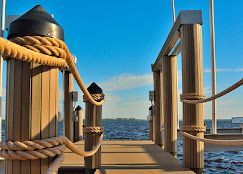
Marine lumber material generally refers to wood selected or treated for applications where it will experience significant exposure to moisture, water, or humid conditions. It is commonly used for docks, boat repairs, decks, boardwalks, bulkheads, and other structures located near or over water.
Unlike standard interior lumber, wood intended for marine environments must be able to tolerate conditions that encourage decay, warping, splitting, and insect activity. Depending on the application, this may involve naturally durable species, pressure-treated lumber, or specially selected boards with characteristics that make them appropriate for demanding outdoor environments.
The term does not necessarily refer to one specific species of wood. Instead, marine lumber material can encompass several different options selected according to factors such as water exposure, structural requirements, expected service life, appearance, and budget.
The growing interest in waterfront construction also reflects broader market demand. According to LinkedIn, the marine decking market is projected to increase from approximately $1.4 billion in 2025 to $2.3 billion by 2034, representing a compound annual growth rate of 5.8%. As more marine and waterfront projects are developed or renovated, selecting appropriate materials becomes increasingly important.
Why Is Choosing the Right Marine Lumber Material Important?
Water is one of the biggest threats to untreated wood. Repeated wetting and drying can cause boards to expand and contract, eventually contributing to cracks, checking, warping, and other forms of deterioration. Constant moisture can also create conditions favorable to fungal decay.
The consequences can be particularly serious on docks and other structures that support people or equipment. A board that looks acceptable from the surface may have significant deterioration beneath it. Structural components can become weakened long before obvious damage appears.
The correct marine lumber material should therefore be selected based on the actual conditions it will encounter. A board used several feet above the waterline may face very different demands from lumber that is regularly splashed, submerged, or installed where it cannot dry effectively.
The type of water matters, too. Freshwater and saltwater environments can create different material challenges. Saltwater exposure can be particularly demanding because salt and moisture can accelerate deterioration of certain materials and contribute to corrosion around fasteners and hardware.
Selecting the appropriate wood also helps reduce maintenance and replacement costs. Spending more initially on suitable lumber can be worthwhile if it significantly extends the useful life of a dock, boat component, or other structure.
How Can You Identify Quality Marine Lumber Material?
Quality starts with choosing lumber that is appropriate for the intended application. Boards should be inspected for excessive warping, deep cracks, large areas of damage, and other defects that could compromise performance. Straight, sound boards are generally easier to install and less likely to create problems later.
The lumber's grade is another important consideration. Higher-quality grades typically contain fewer defects, although the ideal grade depends on whether the wood is being used for structural components, decking, trim, or another purpose.
Moisture content should also be considered. Wood naturally responds to changes in moisture, so allowing lumber to acclimate appropriately before installation can help minimize movement after construction. Proper spacing between boards is similarly important because it allows water to drain and gives the wood room to expand and contract.
For treated lumber, buyers should verify that the treatment is appropriate for the intended exposure. Not all pressure-treated products are designed for the same conditions. Hardware should also be selected with the environment in mind. Corrosion-resistant fasteners can be especially important in marine settings.
Finally, consider where the lumber came from. A reputable supplier should be able to provide information about species, grade, treatment, and intended use. Understanding those details makes it easier to determine whether a particular marine lumber material is suitable for the project.
What Types of Wood Are Best for Marine Applications?
Several wood species can be appropriate for marine applications, but each has different characteristics.
Pressure-treated southern yellow pine is a common choice for docks and other outdoor structures. It is widely available, relatively affordable, and can provide good durability when properly treated and maintained. Its availability also makes replacement boards relatively easy to source.
Cedar is another popular option. Western red cedar is naturally resistant to decay and has a lightweight structure that can make it attractive for certain projects. Its appearance is also appealing for waterfront construction. However, cedar is generally softer than some alternatives, which means it can be more susceptible to dents and physical wear.
Ipe and other dense tropical hardwoods are known for their exceptional hardness and natural resistance to moisture and decay. They can provide a long service life and a distinctive appearance, but their higher cost and density can make them more difficult to cut, drill, and install.
White oak can also be useful in certain demanding applications because of its strength and durability. However, species selection should always account for the specific environment and intended use rather than relying on a wood's reputation alone.
The best marine lumber material ultimately depends on the project's requirements. A residential dock with moderate exposure may call for a different solution than a heavily used commercial pier or a specialized boat repair.
How Can You Maintain Marine Lumber Material for Longevity?
Even highly durable wood requires maintenance when exposed to water. Regular inspections are one of the simplest ways to identify problems before they become expensive repairs. Look for soft spots, cracking, splitting, loose fasteners, discoloration, fungal growth, and areas where water consistently collects.
Keeping the wood reasonably clean can also help. Dirt, leaves, algae, and other organic material can retain moisture against the surface and encourage deterioration. Cleaning methods should be appropriate for the particular species and finish, since aggressive pressure washing can damage softer wood.
Water drainage is equally important. Boards should be installed with appropriate spacing, and drainage paths should remain clear. When lumber can dry between periods of moisture exposure, its service life can often be improved.
Protective finishes may provide additional benefits depending on the species and application. Some coatings help reduce water absorption and protect against ultraviolet exposure. However, finishes require their own maintenance schedule and should not be treated as a substitute for selecting durable lumber in the first place.
Fasteners and connections should also be inspected regularly. A structurally sound board can still become a problem if screws, bolts, brackets, or other hardware loosen or corrode. Replacing compromised hardware early can prevent more extensive damage.
Proper maintenance can significantly extend the useful life of marine lumber material, reducing the frequency of major repairs and helping waterfront structures remain safe.
Choosing wood for a water-exposed project requires more than selecting a species that looks attractive. The right marine lumber material must match the project's moisture exposure, structural requirements, expected wear, budget, and maintenance expectations.
Pressure-treated pine, cedar, tropical hardwoods, and other species can all have useful applications when selected appropriately. Evaluating lumber quality, treatment, grade, moisture characteristics, and hardware compatibility can help prevent premature deterioration.
Once installed, regular inspections, adequate drainage, appropriate cleaning, and timely repairs can further protect the investment. Whether constructing a dock, repairing a boat, or completing another waterfront project, taking the time to select and maintain the right
marine lumber material can contribute to a safer, more durable, and longer-lasting result. If you're in need of marine lumber, reach out to Shoreline Lumber Inc today!
Share On: