

Timber vs. Composite Marine Piling: Which Wins for Coastal Durability?
The choice between natural wood and engineered synthetics for marine construction represents a significant decision for any coastal development project. As tides rise and environmental pressures mount, the structural integrity of docks, piers, and seawalls depends heavily on the materials driven into the seabed. Understanding the specific strengths of each material is essential for ensuring long-term stability in diverse coastal climates.
Analyzing Structural Integrity and Load Bearing
Timber has long been the standard for marine applications due to its remarkable strength-to-weight ratio and natural ability to absorb kinetic energy. Because wood is a fibrous, organic material, it possesses an inherent flexibility that allows it to bend slightly under the pressure of heavy waves or vessel impacts without snapping. This resilience is particularly valuable for marine lumber pilings, which must withstand constant lateral forces while supporting vertical loads. The internal structure of high-quality timber acts as a natural shock absorber, making it an ideal choice for busy commercial waterways where collisions or heavy surges are frequent occurrences.
Composite pilings, meanwhile, are manufactured using a combination of resins and reinforced fibers to achieve specific engineering standards. These materials can be designed to match or even exceed the stiffness of wood, providing a rigid foundation that does not warp or twist over time. While they lack the organic cellular structure of timber, modern engineering ensures they remain durable under extreme pressure. The consistency of a manufactured product means there are no natural knots or grain inconsistencies to worry about, though this rigidity can sometimes make them less forgiving than their wooden counterparts during a sudden, high-energy impact event.
Evaluating Resistance to Marine Wood Borers
One of the most persistent threats to coastal infrastructure comes from the biological world. Marine wood borers, including shipworms and gribbles, thrive in saltwater environments and can devastate untreated or poorly maintained structures. To combat this, marine lumber pilings are treated with specialized preservatives that create a chemical barrier, significantly extending their functional life in infested waters. This traditional approach remains highly effective, provided the treatment penetrates deep into the heartwood and the protective surface remains intact throughout the lifespan of the piling.
Composites offer a different solution by being entirely inedible to marine life. Since these pilings contain no organic cellulose, they do not attract boring organisms, eliminating the risk of internal hollows or structural weakening caused by pests. This immunity to biological decay is a major selling point for those building in warm, high-salinity areas where borer activity is at its peak. By choosing a material that is essentially inert, property owners can bypass the need for the chemical preservatives and mechanical wraps often required to protect wooden foundations from the microscopic architects of destruction inhabiting the sea.
Assessing Environmental Longevity and Maintenance
Durability in the marine sector is measured over decades rather than years. Timber remains a favored choice because of its proven track record across centuries of maritime history. When properly treated and installed, wood can endure the harsh cycle of wetting and drying that characterizes the intertidal zone. Maintenance for marine lumber pilings typically involves periodic inspections and the occasional application of sealants or protective sleeves to mitigate the effects of sun and surf. This material choice supports a renewable cycle, as timber is a harvested resource that can be replaced or recycled at the end of its structural utility.
In contrast, composite materials are designed for an exceptionally long service life with minimal human intervention. They do not rot, splinter, or peel, even after prolonged exposure to intense UV radiation and saltwater saturation. This "install and forget" quality makes them attractive for remote locations or projects where ongoing maintenance is difficult or expensive to coordinate. While the initial manufacturing process involves industrial polymers, the lack of a need for periodic chemical re-treatments over the years offers a different type of environmental advantage, keeping the surrounding water column free from maintenance-related runoff.
Calculating Economic Value and Cost Efficiency
Budgetary constraints often play a deciding role in material selection. Timber is generally the more affordable option at the outset, making it the preferred choice for large-scale projects or residential docks where initial capital is a primary concern. The widespread availability of marine lumber pilings and the familiar installation techniques used by marine contractors help keep labor and material costs manageable. For many, the lower upfront investment allows for more extensive waterfront development, providing immediate utility and aesthetic value without the high premium associated with specialized synthetic technologies.
Composites represent a higher initial investment that pays dividends through reduced lifecycle costs. Because they require virtually no maintenance and have a lifespan that can exceed that of wood in certain environments, the long-term cost per year can actually be lower. Decision-makers must balance the immediate savings of wood against the potential future costs of replacement and upkeep. According to P Market Research (2025), North America's marine lumber demand ties to boating (87 million US participants in 2020 data, trending up) and waterfront urbanization (40% of Americans near coasts), favoring treated timber for docks/seawalls against saltwater. This ongoing demand highlights the continued economic relevance of traditional materials in a growing market.
Reviewing Aesthetic Harmony and Customization
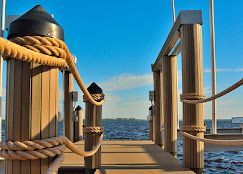
The visual character of a coastline is often defined by the materials used in its construction. Wood provides a timeless, rustic aesthetic that blends seamlessly into natural environments and historic harbors. The natural grain and warm tones of marine lumber pilings create an inviting atmosphere that many property owners find superior to the sterile look of industrial plastics. Furthermore, wood is easily customized on-site, allowing builders to cut, drill, and notch the material to fit unique structural requirements or aesthetic preferences without needing specialized factory modifications.
Composite pilings offer a more uniform and modern appearance, with colors that are often baked into the material to prevent fading. This provides a clean, consistent look that appeals to contemporary architectural styles. While they may not have the textured soul of natural timber, they offer a level of precision and straightness that is hard to match with organic materials. For those who prioritize a sleek, maintenance-free finish that looks the same on day one as it does a decade later, synthetics provide a reliable solution that maintains its visual integrity despite the constant assault of the elements.
Comparing Installation Requirements and Accessibility
The logistics of a marine build can vary wildly depending on the chosen material. Timber is widely accessible and can be handled by almost any marine construction crew with standard pile-driving equipment. The familiarity of working with marine lumber pilings means that sourcing replacements or making repairs is a straightforward process in most coastal regions.
Installing composites can sometimes require more specialized knowledge or specific handling techniques to avoid damaging the outer resin layers during the driving process. Because they are often lighter than water-saturated wood, they may also require different anchoring strategies to prevent "jacking" or lifting in certain soil conditions. However, the lighter weight can also be an advantage for transport to sensitive or hard-to-reach locations where heavy machinery access is limited.
Ultimately, the decision between timber and composite pilings depends on the specific goals of the project, the local environment, and the long-term maintenance philosophy of the owner.
At Shoreline Lumber Inc, we believe that the strength of a coastal structure starts with the quality of its foundation, and we are committed to providing the expert guidance and premium materials needed to protect your maritime investment for years to come.
Share On: