

8 Essential Marine Lumber Materials for Water Infra Projects
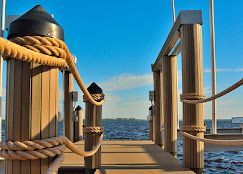
Marine infrastructure development supports coastal economies, transportation networks, recreation areas, and waterfront properties. Building piers, docks, seawalls, boardwalks, and marinas requires materials that can handle constant exposure to water, weather, salt, humidity, impact, and biological activity.
Choosing the right marine lumber materials is one of the most important decisions in any waterfront construction project. Standard construction products often fail too quickly in harsh aquatic environments, so builders need materials designed for strength, stability, and long-term performance.
As the demand for maintaining and replacing aging maritime structures grows, material selection has become even more important. According to Grand View Research, the U.S. marine piling market is driven by critical infrastructure, with over 750,000 public/private piers, wharves, and docks requiring maintenance or replacement, leading to an estimated $2 billion in annual deterioration costs. This highlights the importance of selecting durable materials that can extend the lifespan of waterfront structures and reduce long-term repair expenses.
1. Pressure-Treated Wood Benefits
Pressure-treated wood remains one of the most common choices for marine construction because it is designed to resist rot, decay, and insect damage. During treatment, preservatives are forced deep into the wood fibers, creating protection that reaches beyond the surface. This process helps the material withstand moisture exposure for longer periods than untreated lumber.
Marine lumber materials are often selected because they can endure wet conditions without quickly losing strength. Pressure-treated wood is especially useful for docks, piers, bulkheads, and walkways where water contact is frequent. Its availability and cost efficiency also make it practical for public and private waterfront projects.
Saltwater environments create additional challenges because salinity can speed up material deterioration. Pressure-treated wood helps reduce this risk by resisting decay and maintaining structural stability. When properly specified and installed, it can support long service life while keeping repair needs more manageable.
2. Pressure-Treated Wood Applications
Pressure-treated lumber is often used in the structural portions of marine projects, including pilings, joists, beams, and decking supports. These components must carry heavy loads while facing moisture, impact, and seasonal movement. The strength and treatment protection of this wood make it a dependable option for demanding waterfront settings.
Marine lumber materials can also help reduce long-term maintenance costs when they are chosen for the right application. For example, pressure-treated wood may be used where structural strength is needed but premium hardwoods or synthetic options may not fit the project budget. This balance of durability and affordability makes it valuable in many infrastructure plans.
Environmental responsibility is also part of modern pressure-treated wood selection. Many treatment processes now use updated preservatives that are designed to reduce harmful impacts while maintaining performance. Project planners should always follow applicable guidelines for marine use, fastening systems, installation methods, and disposal practices.
3. Tropical Hardwood Strength
Tropical hardwoods such as Ipe and Teak are valued for their density, natural oils, and strong resistance to moisture. These woods are commonly used in high-traffic marine areas because they can withstand heavy use while maintaining a refined appearance. Their natural beauty also makes them popular for boardwalks, marina decking, and public waterfront spaces.
Marine lumber materials made from tropical hardwoods provide both performance and visual appeal. Their dense grain helps resist wear, splintering, fungal growth, and insect activity. This makes them useful for projects where safety, appearance, and longevity are equally important.
Although tropical hardwoods often cost more upfront, they may provide long-term value through reduced maintenance and longer replacement cycles. In busy areas such as commercial docks or public promenades, fewer repairs can mean less disruption. Their durability makes them a strong choice when the project requires a premium finish and dependable performance.
4. Tropical Hardwood Sustainability
Sustainability is a major consideration when selecting tropical hardwoods. Responsible sourcing helps protect forests while supporting long-term material availability. Certifications such as those associated with responsible forestry can help project teams confirm that wood products are harvested with ecological standards in mind.
Marine lumber materials should be evaluated not only for strength but also for sourcing and life cycle impact. A material that lasts longer can reduce the need for frequent replacements, which may lower waste and future resource use. However, responsible harvesting remains essential when tropical hardwoods are part of the design.
Builders, engineers, and property owners should compare supplier practices, documentation, and performance expectations before selecting hardwoods. When sourced properly, these materials can support durable waterfront construction while aligning with broader environmental goals.
5. Plastic Lumber Advantages
Plastic lumber has become a modern alternative for marine construction because it resists moisture, rot, insects, and many forms of biological deterioration. It is often made from recycled plastics that are formed into boards, planks, and structural profiles. This gives project teams another option when they want a material that performs well in wet environments with limited maintenance.
Marine lumber materials made from recycled plastic are especially appealing for docks, fender systems, walkways, and areas exposed to repeated wetting. Unlike wood, plastic lumber does not absorb water in the same way, so it is less likely to rot, split, or require staining. Its consistent composition also helps reduce performance variation across a project.
Plastic lumber can also support sustainability goals by using recycled content and reducing dependence on virgin materials. It may not be ideal for every structural application, so engineering review is still important. However, it offers strong benefits for many non-structural and semi-structural marine uses.
6. Material Selection Factors
Selecting the best material requires a careful review of location, water exposure, load requirements, budget, appearance, and maintenance expectations. A dock in a calm freshwater setting may have different needs than a pier exposed to saltwater, waves, storms, and heavy pedestrian traffic. Matching the material to the environment helps prevent premature failure.
Marine lumber materials should also be paired with compatible fasteners, hardware, coatings, and installation practices. Even durable lumber can perform poorly if the wrong connectors are used or if drainage and ventilation are ignored. Good design supports the material’s strengths while reducing weaknesses.
Cost should be evaluated over the full life of the structure rather than only at the time of purchase. A less expensive material may cost more over time if it needs frequent repairs. A higher-cost material may be more economical if it delivers longer service life and fewer interruptions.
7. Maintenance And Inspection Practices
Regular maintenance and inspection are essential for extending the lifespan of marine structures. Even the most durable materials benefit from periodic evaluations to identify early signs of wear, corrosion, or biological growth. Addressing minor issues quickly can prevent larger structural problems and reduce costly repairs.
Marine lumber materials perform best when supported by proper care routines such as cleaning, sealing, and replacing worn hardware. Inspections should include checking fasteners, joints, load-bearing elements, and areas with constant water exposure. These steps help maintain safety and performance across the structure.
Establishing a maintenance schedule allows property owners and project managers to protect their investment over time. By combining durable material selection with proactive upkeep, waterfront structures can remain functional, safe, and visually appealing for many years.
8. Long-Term Infrastructure Value
Marine construction requires materials that can stand up to constant environmental pressure. Pressure-treated wood offers affordability and proven performance, tropical hardwoods provide strength and beauty, and plastic lumber delivers moisture resistance and recycled-content benefits. Each option has a place depending on project goals.
Marine lumber materials play a direct role in the safety, durability, and cost efficiency of waterfront structures. When project teams understand how each material performs, they can make better decisions for docks, piers, boardwalks, seawalls, and marinas.
Strong marine infrastructure depends on planning, proper installation, and smart product selection. By weighing durability, sustainability, appearance, maintenance, and total lifecycle costs, builders can create waterfront structures that serve communities and property owners for years to come. This approach helps reduce unexpected repairs, improves long-term reliability, and supports consistent performance in demanding coastal and waterfront environments. Contact Shoreline Lumber Inc today and learn more about our lumber services.
Share On: