

What Is Marine Lumber and Why Is It Ideal for Waterfront Projects?
Marine and coastal environments present a highly volatile, chemically aggressive, and unique set of structural challenges to traditional construction materials. This ongoing vulnerability is primarily driven by the unrelenting physical and chemical conditions imposed by constant water submersion, fluctuating tidal zones, heavy salt spray, and severe, unpredictable coastal weather patterns. In such unforgiving, high-salinity settings, standard, off-the-shelf building materials undergo rapid, catastrophic decay. For traditional wood, this manifests as accelerated rot, cellular breakdown, and devastating infestation by hungry marine organisms; for metals and concrete, it triggers severe rust, spalling, and systemic oxidation. Left unaddressed, this rapid degradation quickly culminates in catastrophic structural failures, profound safety hazards for pedestrians or watercraft, and staggeringly inflated, repetitive repair bills that can easily drain a property owner’s financial reserves.
This comprehensive article delves deep into the rigorous engineering specifics of marine lumber, focusing intensely on its distinct performance benefits, strict chemical treatment standards, and diverse structural applications across modern residential and commercial waterfront projects. By analyzing its complex material composition, deep preservative retention levels, and physical resilience under extreme hydraulic stress, we highlight exactly why investing in true, certified marine-grade wood consistently outperforms generic, inland lumber options—ensuring that your vital shoreline infrastructure confidently stands the test of time and tide.
Understanding Marine Lumber and Specifications
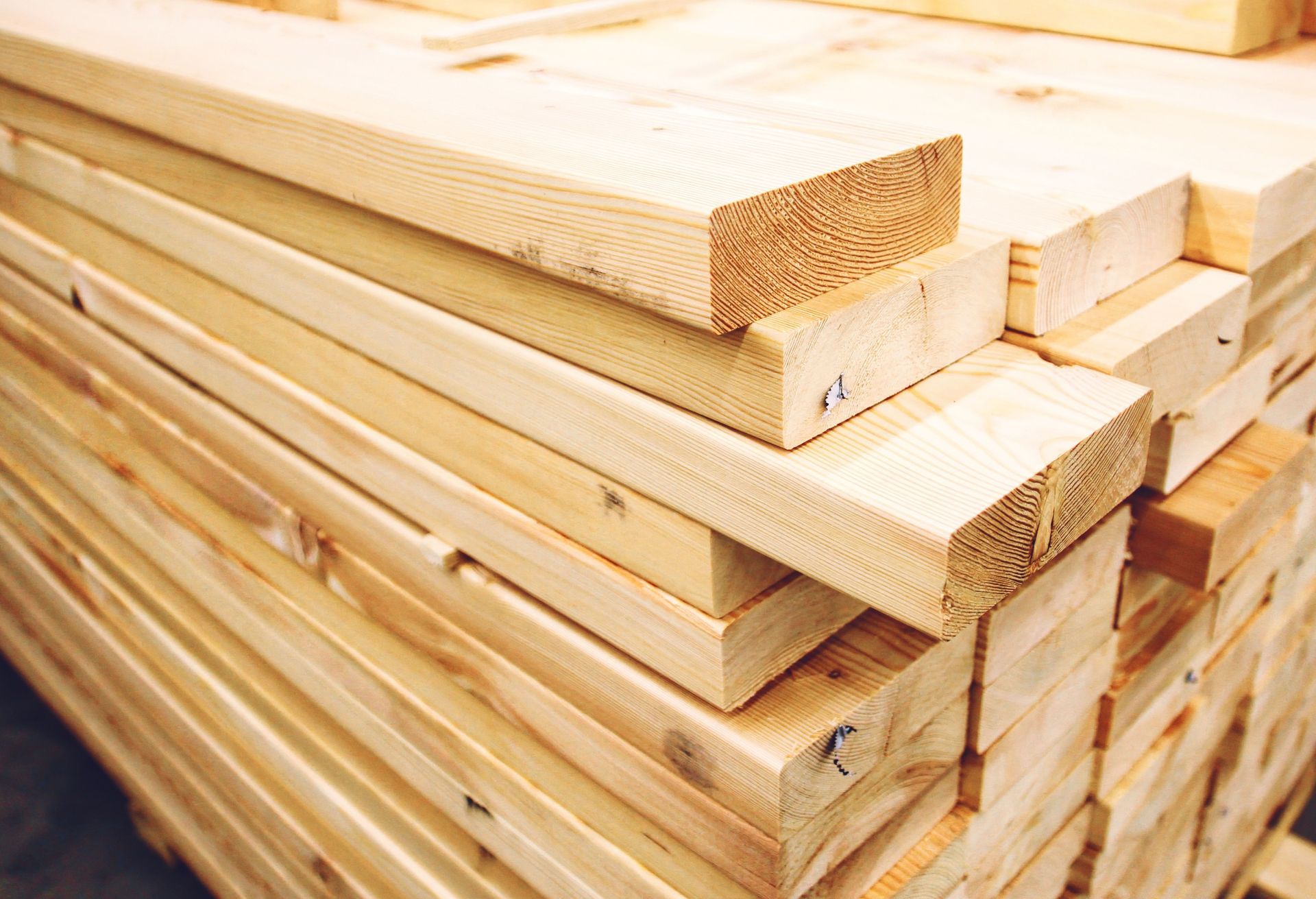
Marine lumber is a highly specialized type of wood explicitly engineered to resist structural deterioration caused by continuous water immersion, salt-induced rot, and intense ultraviolet (UV) radiation. Unlike traditional pressure-treated wood used for inland decks or backyard fencing, lumber undergoes an intensive chemical impregnation process under high pressure. This process pushes heavy concentrations of protective preservatives deep into the cellular structure of the wood, creating an impenetrable barrier against fungal decay and destructive marine borers. Hardwood varieties like teak, ipe, or cumaru are naturally favored for their extreme organic density, while specific softwoods, such as southern yellow pine, are heavily treated with clean preservatives like Chromated Copper Arsenate (CCA) to achieve equivalent structural longevity.
Navigating the sourcing process for these premium materials is highly straightforward for modern contractors. According to IBISWorld, as of 2025, there are approximately 35,382 lumber and building material stores in the United States. This extensive distribution network ensures that finding certified, high-grade marine lumber is entirely feasible for waterfront developers nationwide.
Key Performance Benefits for Coastal Building
The primary advantage of selecting premium lumber for shoreline construction is its unmatched operational lifespan. While standard pressure-treated planks can warp, split, or rot within a few years of water exposure, properly specified marine wood is engineered to endure for decades. This extreme durability drastically minimizes the time and money spent on manual maintenance, seasonal staining, or structural board replacements. The material's natural resistance to mold, mildew, and checking means that beachfront property owners can enjoy a pristine, structurally sound installation without relying on continuous chemical treatments or expensive repairs.
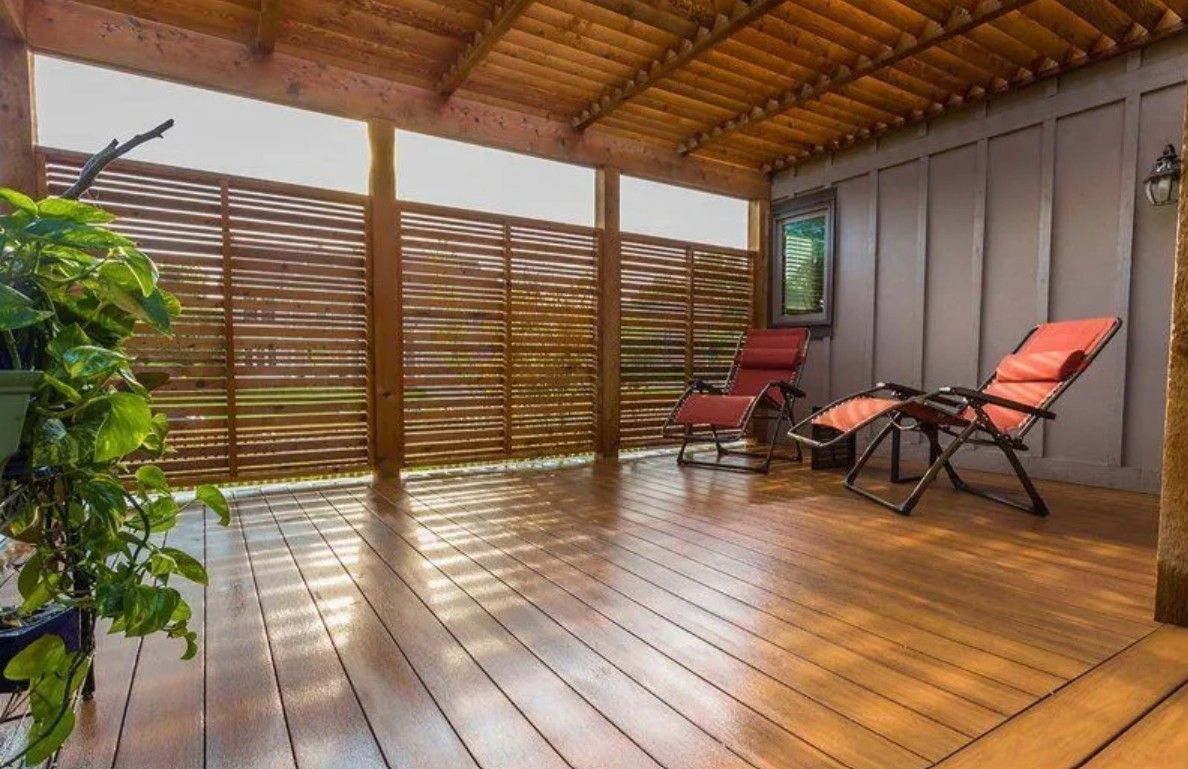
Beyond its pure durability, marine lumber offers incredible physical versatility and aesthetic adaptability for coastal architects and engineering firms. It can be easily cut, shaped, and routed into bespoke structural designs, matching the natural contour of any shoreline. Whether utilized for heavy load-bearing structural pilings or smooth, barefoot-friendly top decking, it delivers reliable stability. Additionally, its excellent UV resistance prevents the wood from bleaching or warping under intense, direct sunlight, allowing waterfront structures to retain their physical strength and visual appeal across varying seasonal weather cycles.
Practical Applications in Waterfront Infrastructure
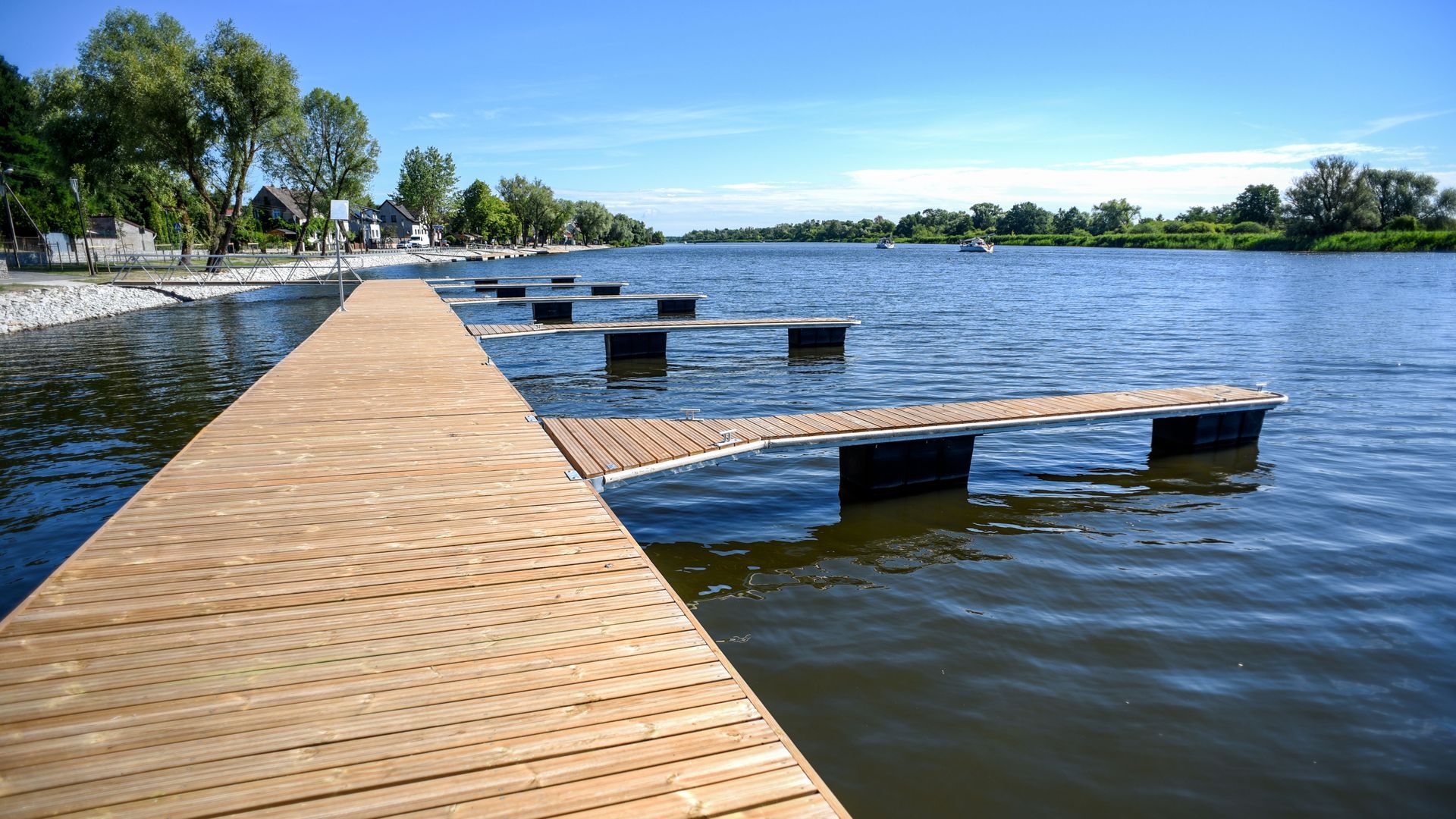
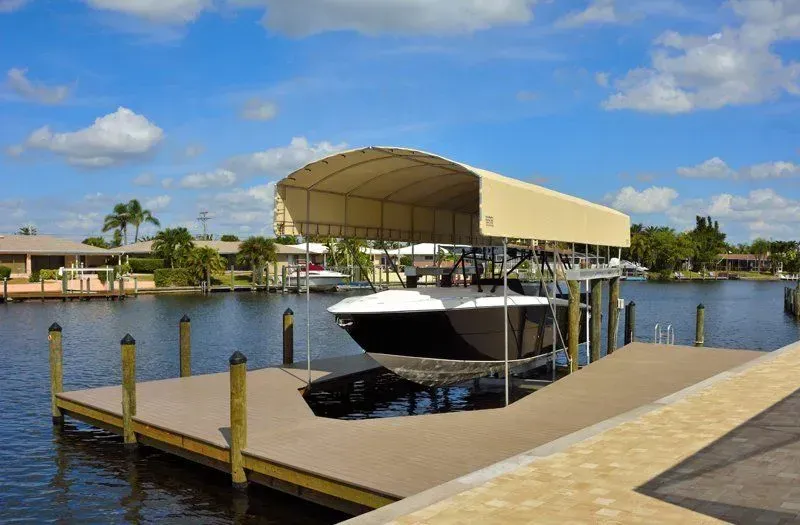
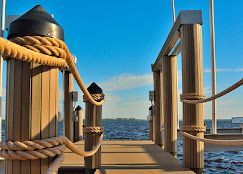
Marine lumber shines brightest in the construction of residential docks, commercial piers, and heavy-duty retaining seawalls. These structures require heavy foundation pilings driven deep into the underwater substrate, exposing the wood to constant moisture and marine pests. Utilizing certified lumber ensures that the underlying foundation resists structural shifting and internal wood rot. Municipalities and coastal homeowners rely on this heavy-grade material to build dependable walkways and harbors that can confidently withstand heavy foot traffic, boat impacts, and rough seasonal storm surges.
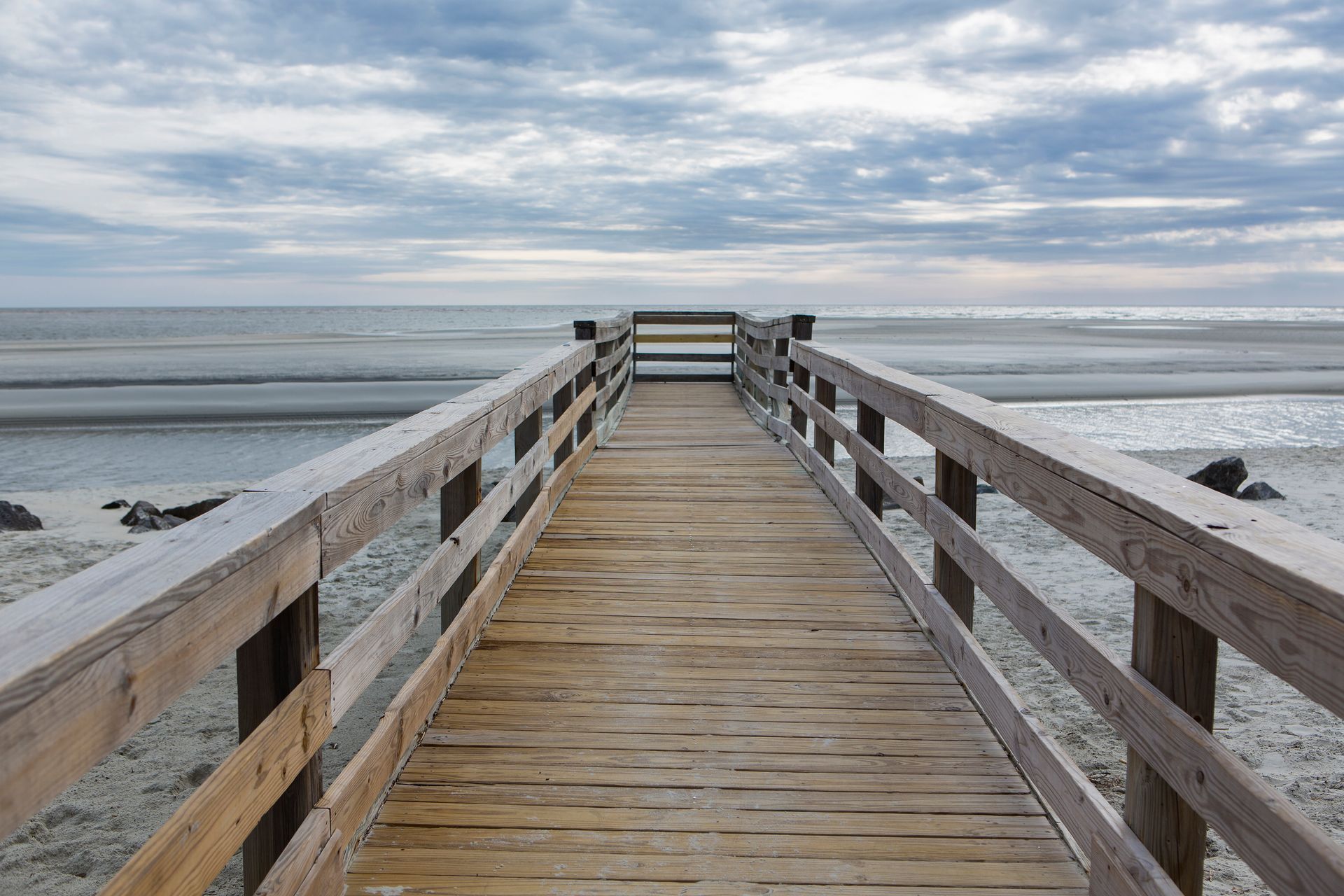
Public boardwalks, coastal promenades, and pedestrian access bridges demand building materials that perfectly balance heavy-duty safety with organic aesthetic beauty. Lumber fulfills this dual requirement flawlessly, blending seamlessly into sensitive coastal landscapes while providing non-slip, structurally reliable walkways for heavy public traffic. Its natural ability to withstand harsh windblown sand and daily saltwater spray makes it the premier choice for municipal infrastructure projects aiming to minimize long-term maintenance costs while enhancing public waterfront access.
Addressing Common Challenges and Implementation Tips
While marine lumber provides exceptional resilience against the elements, its overall performance is heavily dependent on the quality of the installation and hardware used. The high chemical concentration within pressure-treated lumber can be highly corrosive to standard steel or iron fasteners. Therefore, it is critical to utilize high-grade, marine-alloy stainless steel (such as Grade 316) or hot-dipped galvanized hardware to prevent premature rust and structural snapping. Additionally, pre-drilling pilot holes in dense hardwoods prevents the wood from splitting along the grain, preserving the clean visual appeal and structural holding power of the framing joints.
Waterfront structures are exposed to extreme hydraulic forces, meaning that proper engineering and spacing are vital during construction. When installing top decking, contractors must allow for uniform spacing between planks to facilitate rapid water drainage and optimal airflow. This prevents pooling water from saturating the wood grain during high tides or severe rainstorms. Furthermore, the structural framing members should be sloped or wrapped in specialized protective flashing tape to shed moisture away from the joists, effectively eliminating localized damp environments where fungal decay could otherwise take root over time.
Here is the expanded conclusion, enriched with deeper context regarding long-term structural security, the financial risks of corporate cutting corners, and the enduring peace of mind that comes with regional, marine-grade expertise:
Marine lumber stands out as the absolute premier, uncompromised material choice for waterfront projects due to its unmatched chemical density, intense environmental resistance, and undeniable long-term economic advantages. While standard, inland pressure-treated planks inevitably surrender to the relentless forces of saltwater immersion and boring organisms, true marine-grade wood thrives under the exact same pressure. Investing in this specialized, high-retention wood ensures that your high-value shoreline assets—whether a private residential dock, a commercial harbor deck, or a public coastal boardwalk—remain entirely safe, structurally sound, and beautifully integrated into the sensitive coastal landscape for decades to come.
By deliberately opting for AWPA-compliant and certified marine-grade materials, developers, architects, and homeowners can achieve a perfect, harmonious balance between robust structural engineering and proactive ecological responsibility. Over the true lifespan of a waterfront installation, the minimal upfront premium paid for marine-grade wood pays massive dividends, effectively insulating property owners from the perpetual headaches of rotting pilings, warped framing, and sudden structural failures. Shifting from a reactive repair mindset to a proactive, material-first approach turns your marine infrastructure into a source of enduring value rather than a hidden, ongoing liability.
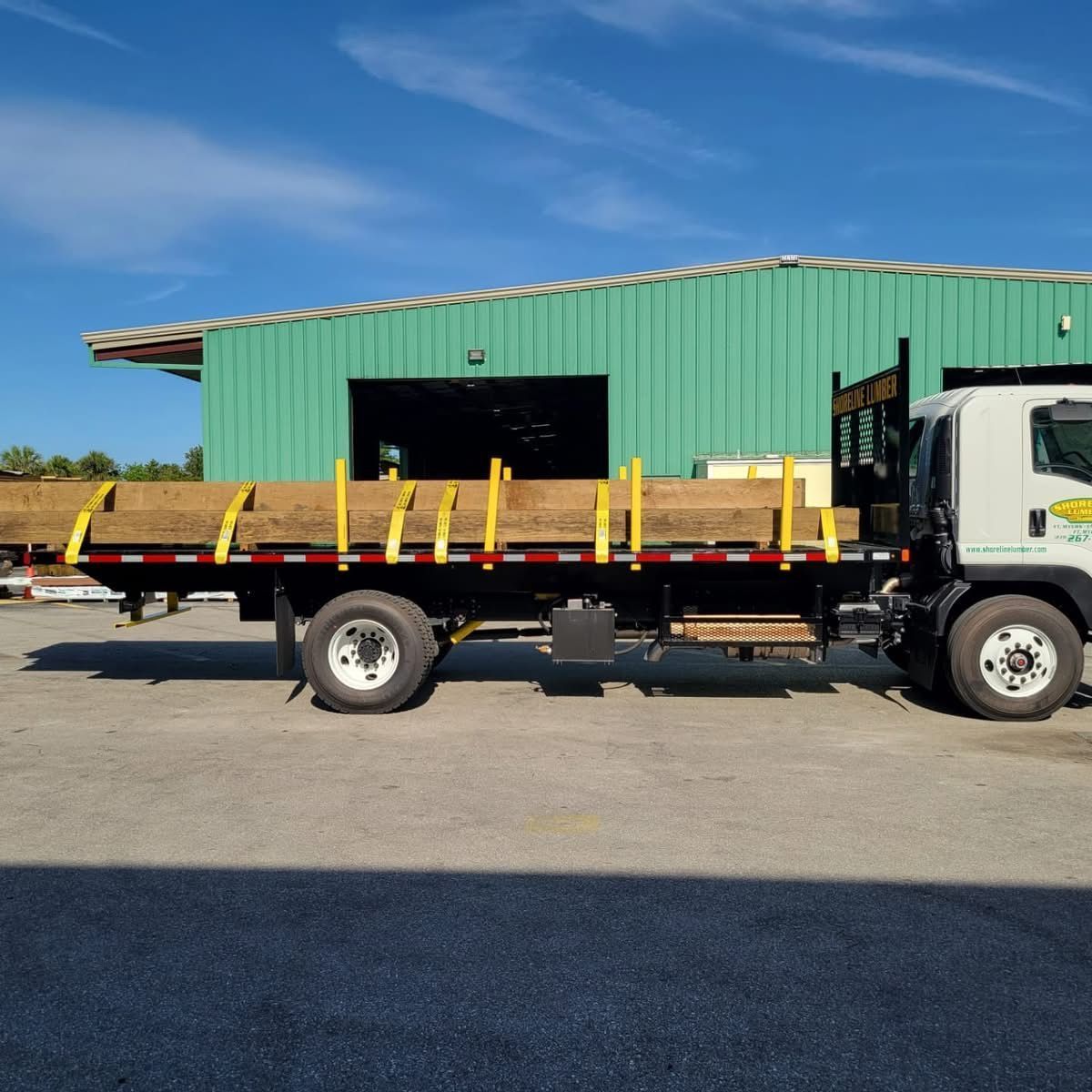
Do not leave your substantial waterfront investment vulnerable to the premature rot, unsightly warping, and staggeringly expensive structural failures caused by generic, subpar building materials. Your shoreline deserves an engineered foundation built with premium defense, strict code compliance, and coastal pride. For industry-leading diagnostic precision, expert material specification tailored to your local hydrology, and an unyielding commitment to premium coastal craftsmanship, trust the coastal construction specialists at Shoreline Lumber Inc to build a rock-solid, generational foundation for your next waterfront project.
Share On: