

How Specialized Marine Lumber Material Withstands the Harshest Coastal Environments
Building structures near open saltwater presents structural challenges rarely encountered in inland construction. Coastal environments subject building components to relentless moisture exposure, dense sea fog, continuous salt spray, high ambient humidity, and powerful wind forces. Standard timber utilized in conventional residential framing deteriorates rapidly when exposed to these severe elements. Unprotected wood absorbs salt moisture, leading to severe swelling, interior core rot, metal fastener corrosion, and eventual structural collapse. Utilizing specialized materials engineered specifically to withstand coastal degradation is critical for long-term project viability.
Selecting the right building components requires understanding how seawater damages standard wood fibers. Saltwater carries corrosive mineral salts that penetrate deep into porous grain structures. As moisture evaporates, salt crystals expand within the cellular walls, fracturing the natural grain bonds from the inside out. Furthermore, damp oceanic microclimates create ideal breeding conditions for wood-destroying fungi and marine borers. High-grade marine lumber material is explicitly processed to resist these environmental pressures, maintaining its internal integrity and exterior dimensions even under constant immersion and salt saturation.
Exploring the Structural Advantages of Marine Plywood
Structural sheet products play a fundamental role in building stable decks, hulls, docks, and coastal wall sheathing. Ordinary exterior plywood relies on glues and core veneers that deteriorate under sustained exposure to moisture. In marine environments, standard sheets frequently delaminate, leading to soft spots, structural sagging, and complete material failure within just a few seasons. Specialized structural panels solve these performance issues through rigorous manufacturing standards and superior raw component selection.
According to The Spruce, marine-grade plywood offers superior strength thanks to its high-density construction, water-resistant properties, and waterproof bonding techniques. The construction process eliminates internal core voids, ensuring that moisture cannot accumulate within hidden pockets inside the panel. Waterproof phenolic resin adhesives permanently bind the wood veneers together under high heat and pressure. This meticulous fabrication technique ensures that specialized marine lumber material remains rigid, structurally sound, and resistant to layer separation, even when continuously exposed to tidal splashing and high atmospheric humidity.
Examining High-Density Hardwoods and Natural Resins
Beyond engineered sheet goods, solid timber plays an essential role in heavy coastal construction. Naturally dense hardwoods like teak, ipe, and cumaru possess inherent chemical defenses that allow them to endure extreme maritime exposure without rotting. These dense species feature tightly packed grain structures that naturally restrict water absorption. Additionally, high natural oil contents act as a built-in protective barrier, repelling water and resisting insect infestation far better than softwoods like pine or fir.
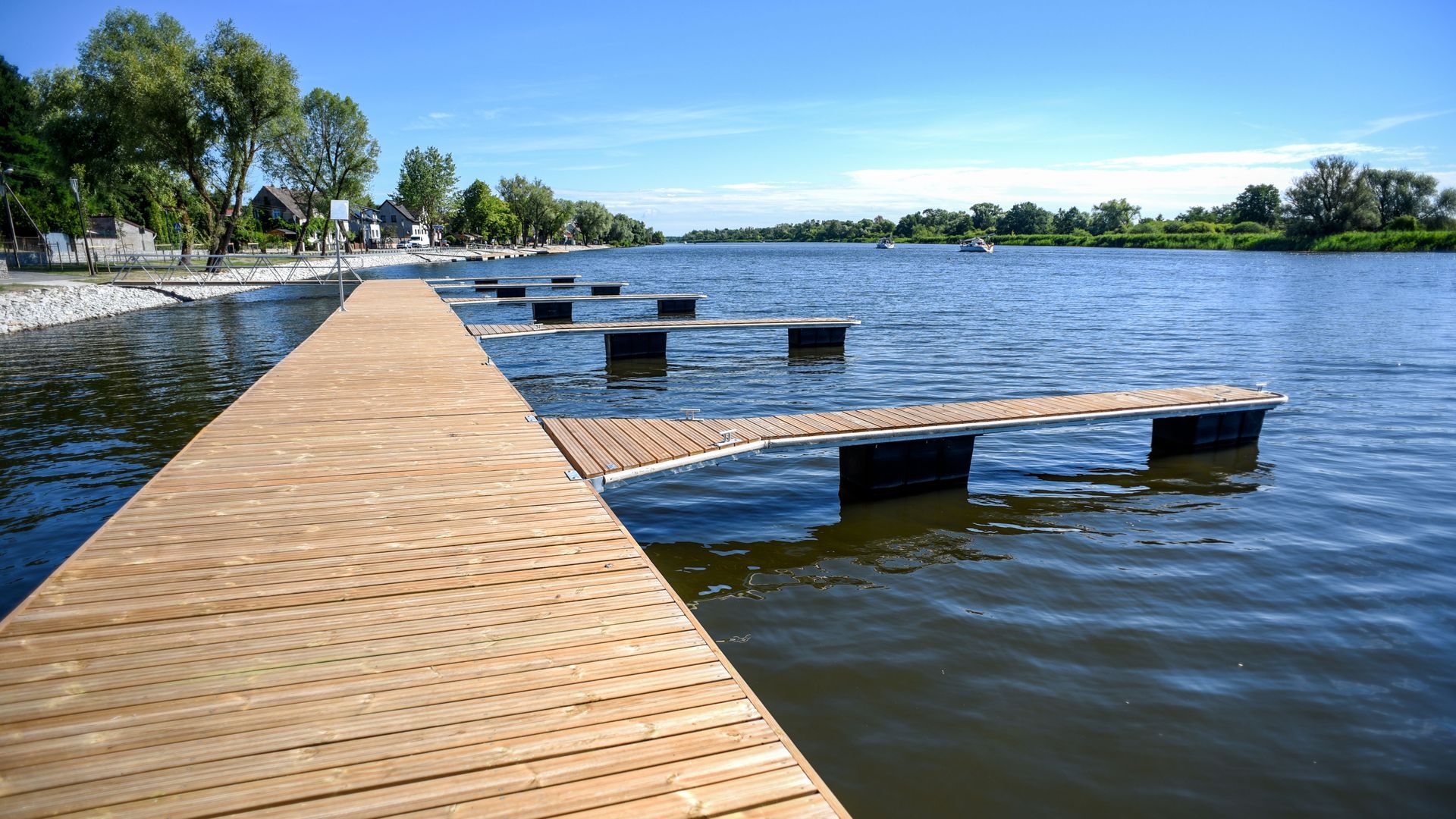
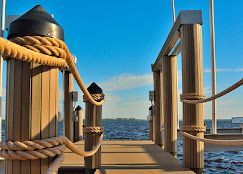
Incorporating natural hardwoods into structural framing provides remarkable durability for piers, pilings, and boardwalks. Because dense hardwoods absorb minimal water, they experience far less expansion and contraction throughout seasonal humidity shifts. This dimensional stability prevents warping, twisting, and surface checking that often plagues standard lumber. When contractors specify dense marine lumber material for high-wear structural applications, they ensure that the foundation remains plumb and stable despite continuous wave impact and changing tides.
Analyzing Advanced Chemical Treatments and Preservatives
When dense natural hardwoods are impractical, specialized pressure-treated softwoods offer a versatile and economical solution for marine framing. Standard ground-contact pressure treatment is insufficient for saltwater applications. True maritime treatment involves saturating timber with specialized chemical preservatives under high pneumatic pressure, forcing copper and organic biocides deep into the core heartwood. These high preservative retention levels create an environment entirely inhospitable to wood-rot fungi, termites, and aggressive marine organisms like shipworms.
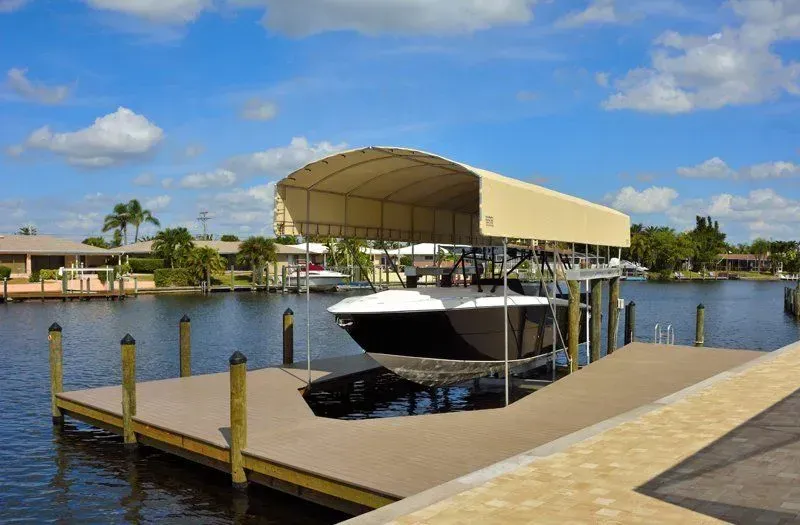
The chemical formulations used in specialized marine lumber material are specifically engineered to resist leaching out when submerged in saltwater. High-pressure vacuum cycles bind the protective chemicals directly to the cellular walls of the timber. This deep penetration guarantees that cut ends, fastener holes, and surface abrasions retain their protective barrier over decades of exposure. Property owners can rely on properly treated framing to support heavy boat lifts, gangways, and exposed decking without fearing concealed sub-surface rot.
Preventing Structural Damage from Marine Wood Borers
Marine borers represent a quiet yet devastating threat to submerged and splash-zone wood structures. Organisms such as shipworms and gribbles burrow deep into submerged timber, carving out extensive networks of internal tunnels that remain completely hidden from the surface. Over time, an apparently solid structural post can be hollowed out entirely, leading to sudden failure under normal load conditions. Standard surface paints and thin sealants offer virtually no long-term defense against these aggressive marine organisms.
Defending against subterranean and marine pest damage requires specialized structural solutions. High-concentration pressure treatments penetrate deeply to deter borers from establishing colonies inside the wood grain. Furthermore, dense species prevent larvae from penetrating the outer bark layers. Choosing quality marine lumber material ensures that structural pilings remain solid throughout their service life, protecting docks and seawalls from catastrophic structural collapses caused by hidden biological activity.
Enhancing Dimensional Stability Against Constant Moisture Cycles
Continuous exposure to wetting and drying cycles causes severe stress within standard structural framing. As wood absorbs water, its fibers expand across the grain; as it dries under hot coastal sunlight, the fibers shrink rapidly. This continuous swelling and contracting cycle causes severe checking, surface splintering, cupping, and structural loosening around mechanical fasteners. Over time, loose joint connections compromise the entire integrity of coastal structures.
Engineered maritime wood products are manufactured specifically to minimize moisture-induced movement. Kiln-drying processes reduce internal moisture content before treatment and installation, establishing a balanced core density. Additionally, specialized sealants and grain orientation techniques further reduce cross-grain expansion. By specifying dimensionally stable marine lumber material, builders ensure that joints remain tight, decking boards stay flat, and mechanical fasteners retain their holding capacity over years of continuous tidal exposure.
Protecting Fasteners and Joinery in Corrosive Sea Air
A coastal structure is only as strong as the mechanical connections holding its framing together. The combination of high moisture levels and airborne salt creates a hyper-corrosive environment for standard steel, galvanized iron, and basic hardware. As metal hardware corrodes and bleeds rust into surrounding wood fibers, it triggers chemical decay known as nail sickness, which softens the wood immediately surrounding the bolt hole and compromises structural holding power.
Mitigating hardware degradation requires pairing high-grade fasteners with suitable framing materials. Stainless steel, silicon bronze, and hot-dipped galvanized hardware resist salt corrosion while remaining inert within chemically treated wood. Using non-reactive marine lumber material alongside corrosion-resistant fasteners prevents chemical leaching, wood softening, and hardware failure. This holistic approach to structural joinery ensures that joints remain secure under heavy storm surges and continuous wave action.
Implementing Strategic Maintenance for Maximum Service Life
While specialized maritime timbers offer superior resistance to environmental degradation, implementing a routine maintenance schedule further extends their operational lifespan. Regular inspections allow property owners to spot surface wear, loose fasteners, or physical damage caused by floating harbor debris before minor issues turn into structural failures. Promptly repairing protective coatings and re-applying UV-resistant oil finishes prevents surface checking and keeps the outer fibers hydrophobic.
Cleaning coastal structures with mild, non-toxic detergents removes accumulated salt crystals, mold spores, and grime that retain moisture on the surface. Rinsing surfaces after severe ocean storms prevents concentrated salt buildup from drying into the wood grain. Combining routine cleaning with high-performance marine lumber material maximizes the return on investment for docks, boardwalks, and waterfront residences, keeping the timber sound and aesthetically pleasing for decades.
Investing in Long-Term Durability for Waterfront Projects
Building along the coastline demands materials capable of withstanding relentless natural forces without succumbing to rot, corrosion, or biological decay. While standard construction timber fails rapidly under coastal exposure, specialized maritime materials provide the strength, density, and chemical resistance necessary for structural longevity. Understanding how different species, engineering techniques, and protective treatments perform allows builders to design safe, durable waterfront installations.
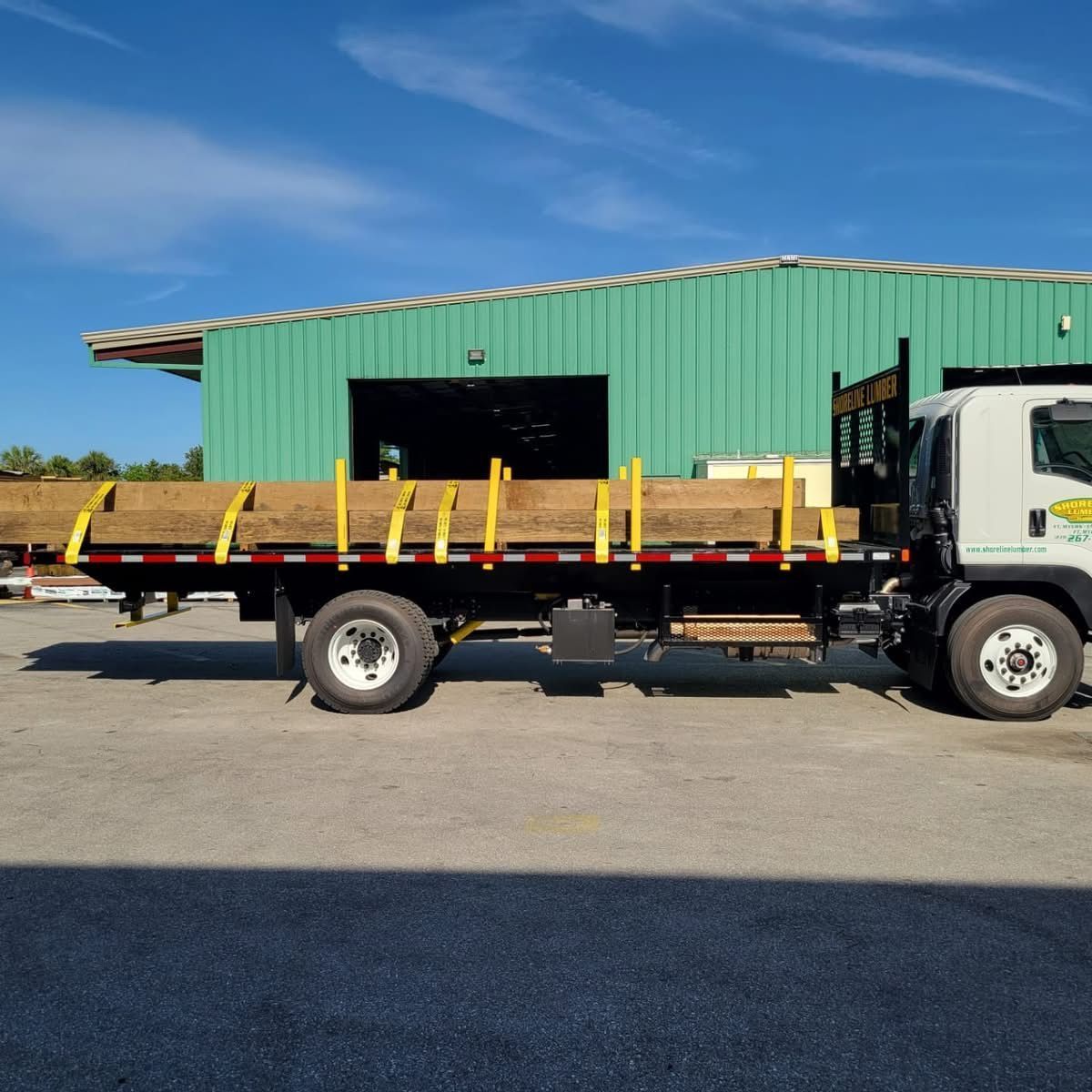
By prioritizing high-density hardwoods, void-free structural sheet panels, and specialized pressure treatments, property owners can construct docks, decking, and seawalls that stand strong against severe ocean weather. Investing in superior marine lumber material ensures that waterfront structures remain safe, visually appealing, and structurally sound for generations, offering unmatched peace of mind in the face of the harshest coastal environments. Contact Shoreline Lumber Inc today to source premium, high-durability marine materials tailored to protect your next coastal building project.
Share On: