

Practical Uses for Marine Lumber
Marine construction demands specialized timber capable of resisting severe decay, relentless moisture, and perpetual biological exposure. Sourcing high-grade marine lumber remains the foundational requirement for builders constructing watercraft, coastal boardwalks, and exposed docks. Ordinary timber degrades rapidly when submerged or sprayed with saltwater, causing structural failures and excessive maintenance expenses. Engineered marine timbers undergo rigorous preservation treatments and drying techniques that impart lasting defense against fungal rot, parasites, and environmental erosion across varied aquatic settings.
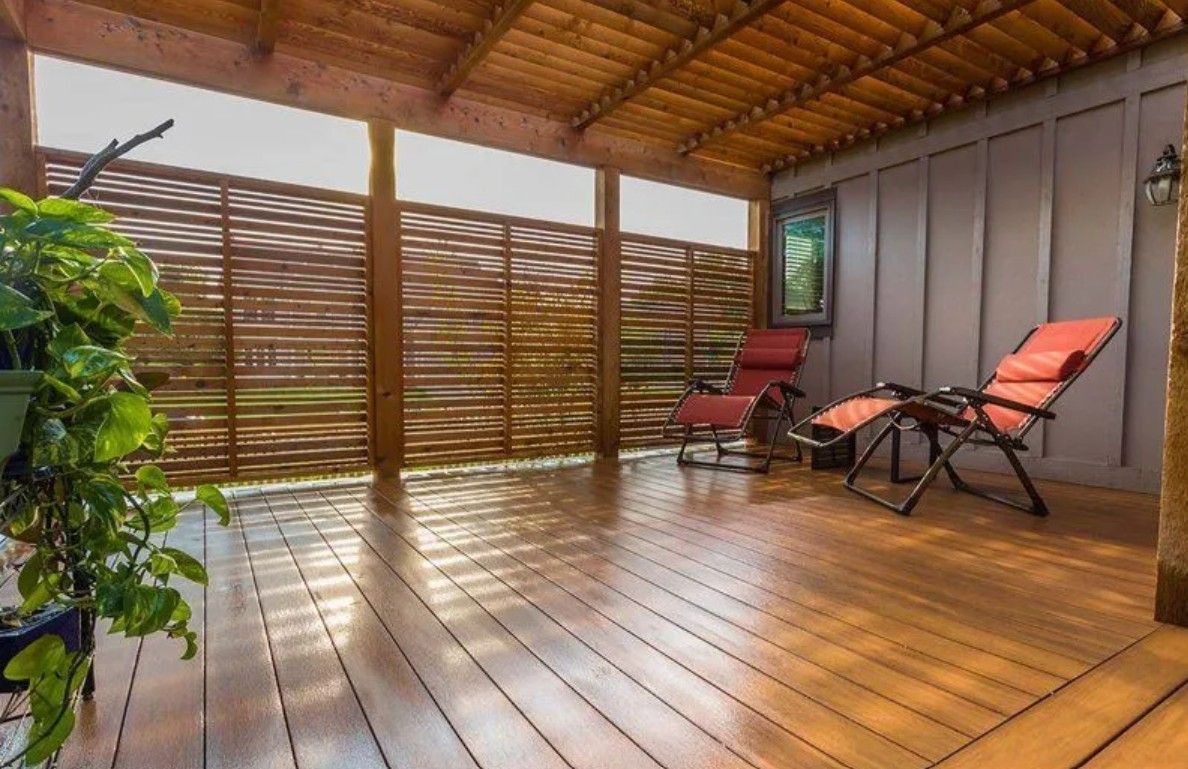
Beyond industrial uses, designers and homeowners incorporate nautical timber into residential landscaping, patio structures, and seaside furnishings. This dense wood provides exceptional structural integrity alongside visual warmth, making it adaptable for heavy engineering and refined outdoor design. By understanding distinct attributes, proper installation methods, and practical applications of specialized timber, builders deliver resilient installations capable of enduring seasonal weathering. Investing in superior lumber prevents early degradation while preserving safety and beauty across every aquatic build.
Examine Marine Lumber Characteristics
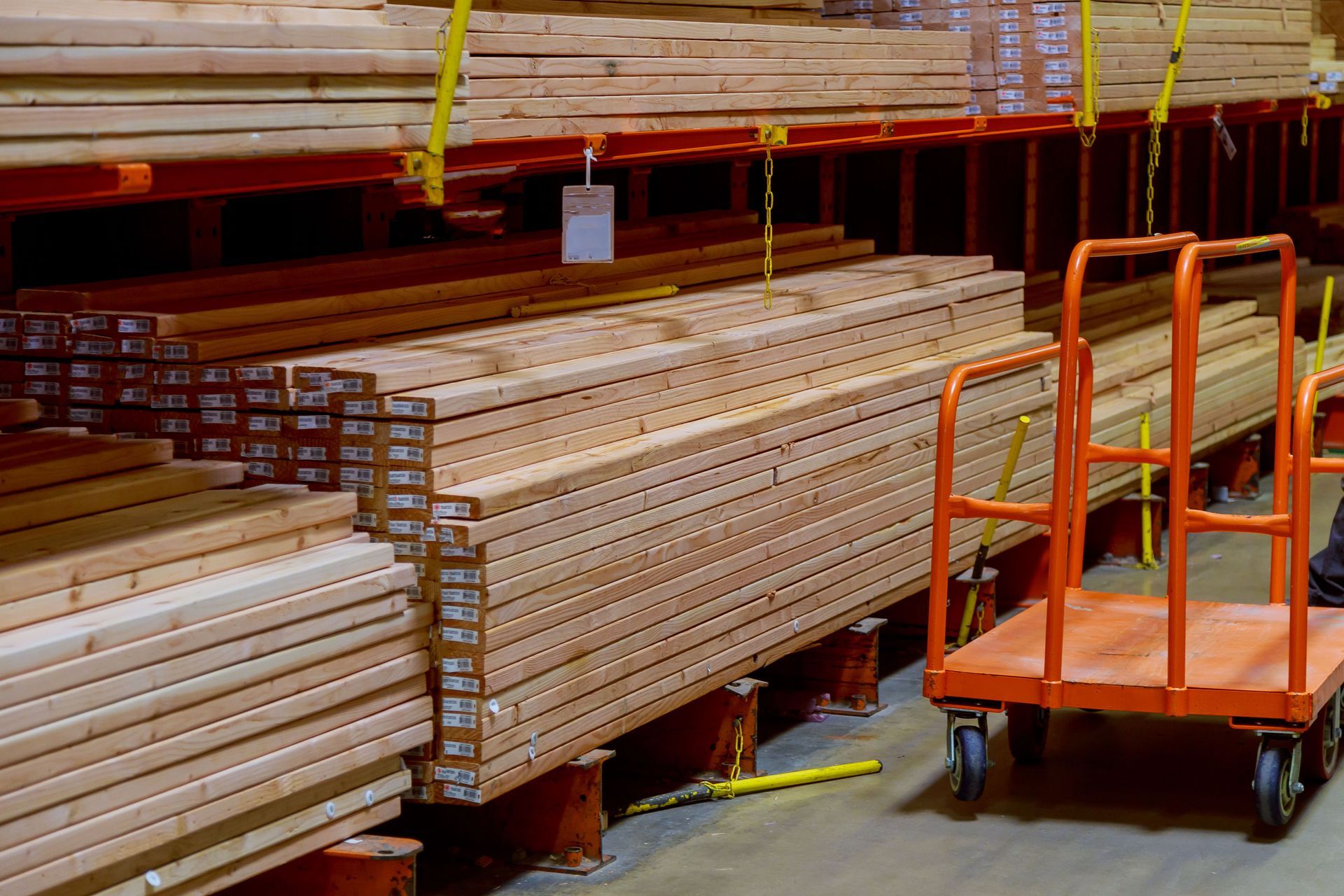
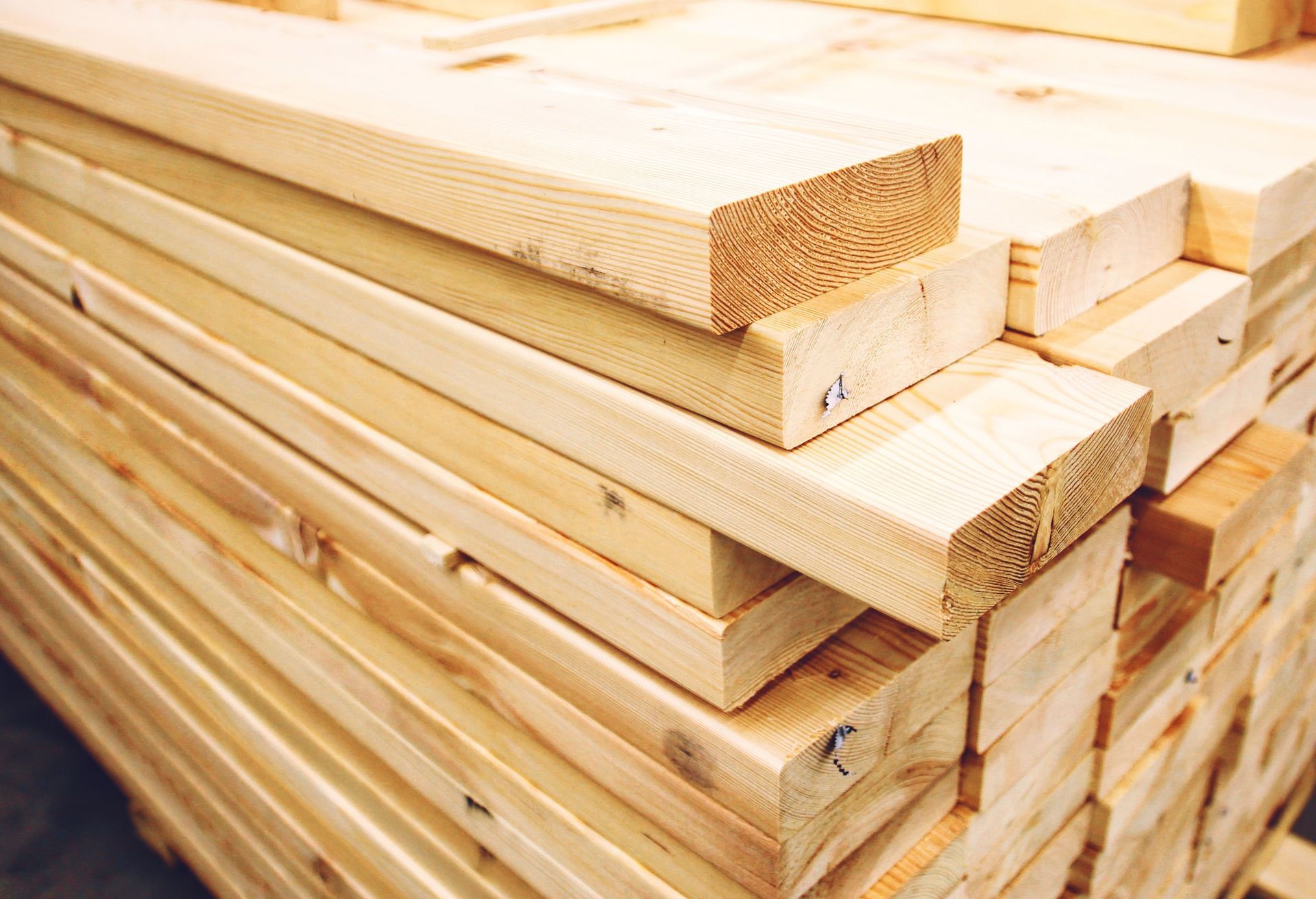
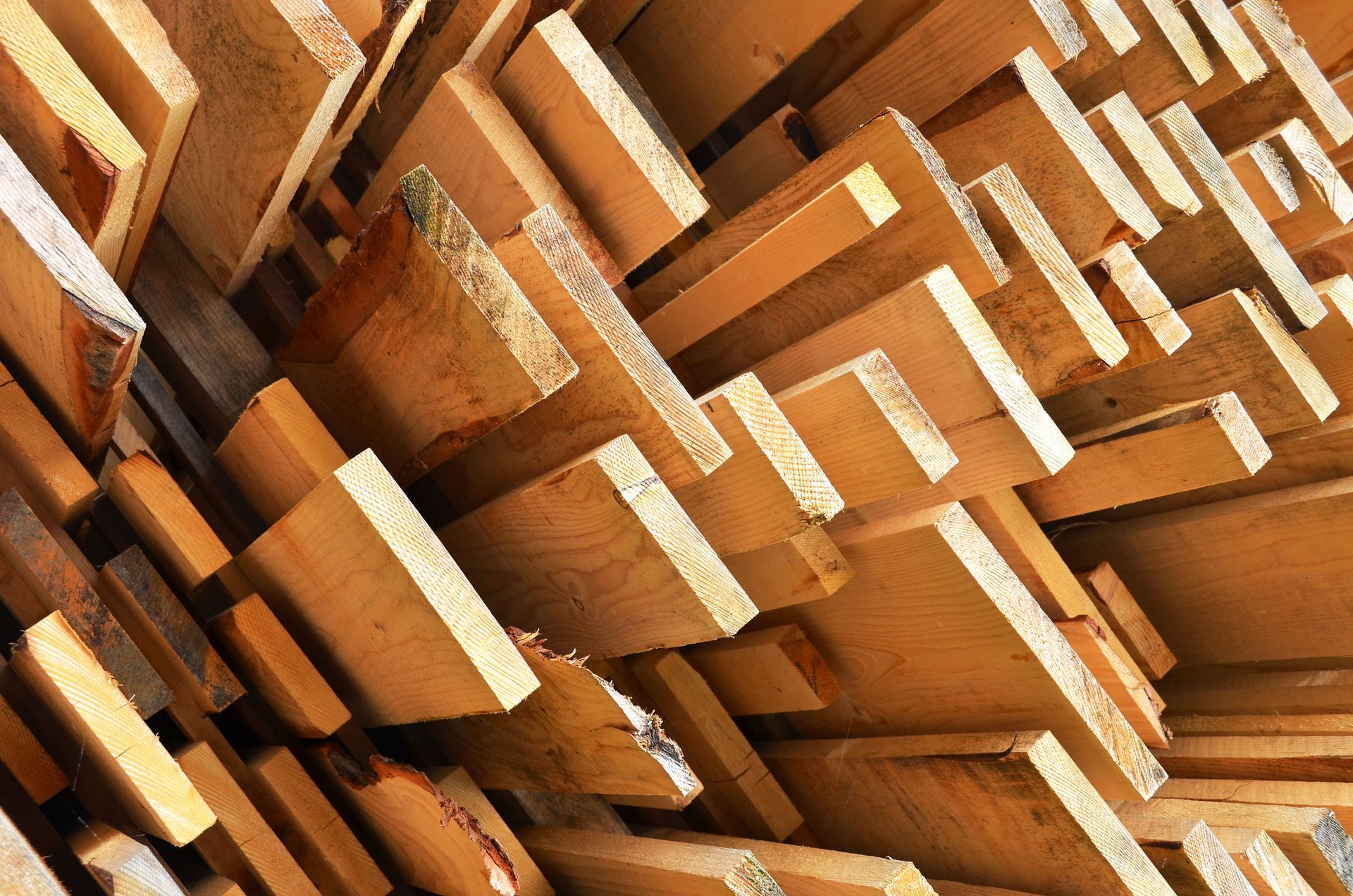
Selecting an appropriate marine lumber material requires understanding density, grain consistency, and preservation methods. Manufacturers dry timber in specialized kilns to remove excess moisture content, minimizing swelling, warping, and shrinkage during climate shifts. Deep preservative treatments penetrate cellular structures, providing formidable defense against moisture infiltration and invasive marine organisms. These rigorous production standards ensure that lumber retains mechanical strength even when submerged in brackish water or dynamic ocean tides.
Inherent resilience against solar exposure represents a vital attribute of timber treated for nautical environments. Harsh solar rays cause conventional lumber to crack, splinter, and lose cohesion over brief periods outdoors. Nautical timber resists surface degradation, maintaining structural cohesion despite severe coastal sunshine and temperature swings. The tight grain structure provides a smooth finish, facilitating cleaner cuts and tighter joints during assembly. These structural properties combine to make timber dependable for demanding waterfront applications.
Select Appropriate Lumber Varieties
Builders choose from diverse timber varieties tailored to structural loads, budgetary guidelines, and aesthetic desires. Sourcing the proper marine lumber material depends on whether a project involves water submersion, framing, or decorative surfaces. Solid hardwoods like mahogany and teak provide extraordinary natural resistance to rot due to tight cell structures and organic protective oils. Softwoods such as treated fir and cedar remain popular for extensive framing and bulkheads because of manageable cost, lighter weight, and straightforward workability.
Marine-grade plywood serves as an indispensable option across numerous boatbuilding and exterior projects. Quality plywood engineered for nautical environments can endure for 15 to 25 years, according to The Spruce, when builders seal every edge properly. Waterproof adhesives bind veneer sheets securely together, eliminating voids and preventing delamination under steady dampness. By assessing environmental conditions, mechanical strain, and maintenance expectations, craftspeople identify the exact timber species or engineered sheet good suited for their unique design requirements.
Build Resilient Watercraft Hulls
Vessel construction represents a demanding application for structural wood, as hull planking faces perpetual hydrostatic stress. Choosing premium marine lumber material ensures that vessel hulls remain buoyant, impervious to leaks, and strong enough to navigate rough ocean swells safely. Nautical plywood remains widely favored for custom skiffs, canoes, and sailboats because of cross-laminated strength and uniform thickness. Builders steam, bend, and fasten these specialized panels into hydrodynamic shapes without causing fractures or compromising waterproof bonds.
The lightweight of selected wood enhances fuel efficiency and vessel buoyancy while providing dependable impact resistance against hidden rocks or flotsam. Marine wood maintains uniform weight through protective sealants and superior grain density, resisting waterlogged heaviness. Skilled shipwrights apply specialized barrier coats over timber panels to prevent water intrusion across joints, ensuring seamless structural performance. This balance of lightweight maneuverability and high load-bearing capacity keeps wooden vessels seaworthy across extensive voyages through turbulent waterways.
Construct Robust Waterfront Piers
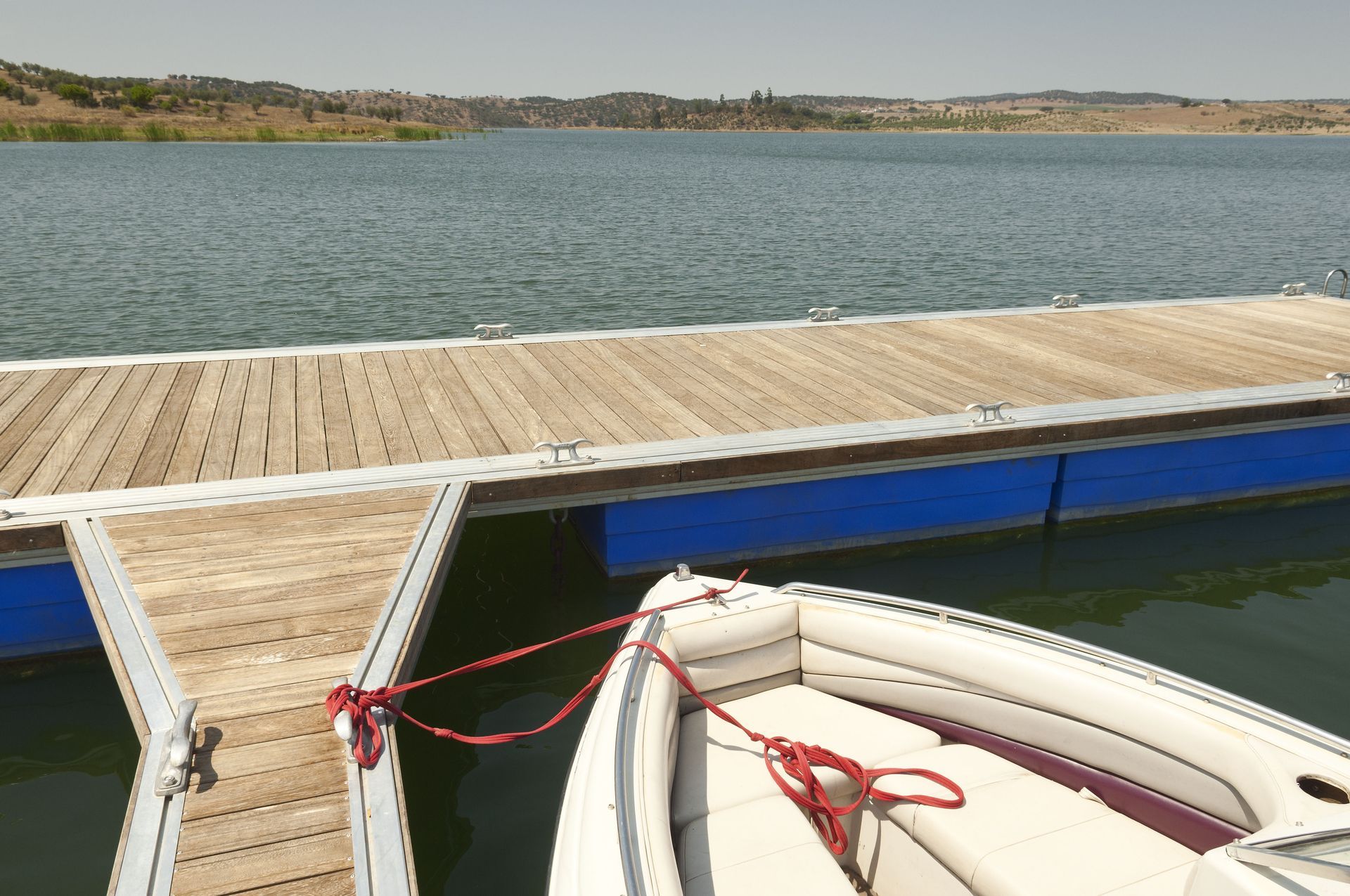
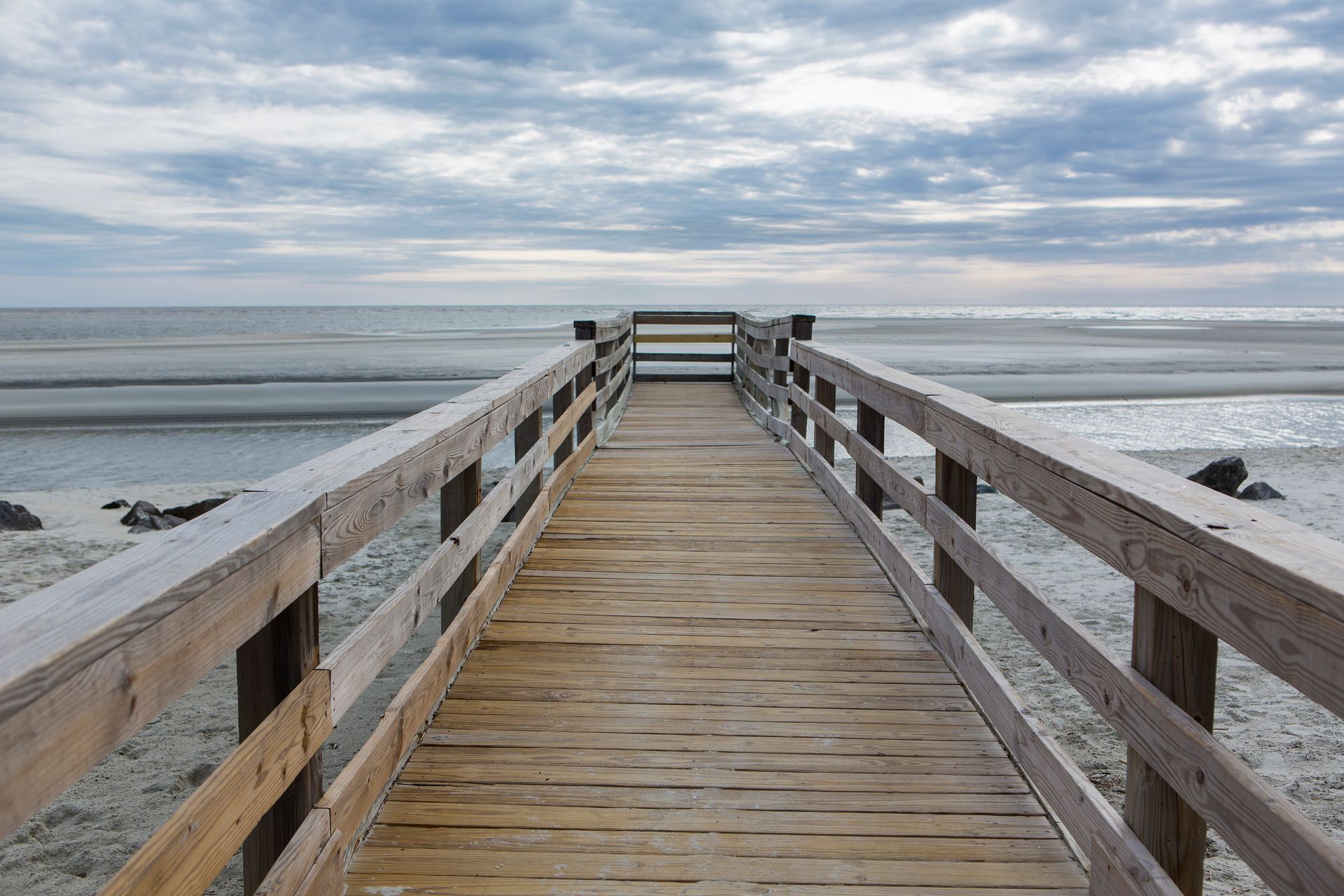
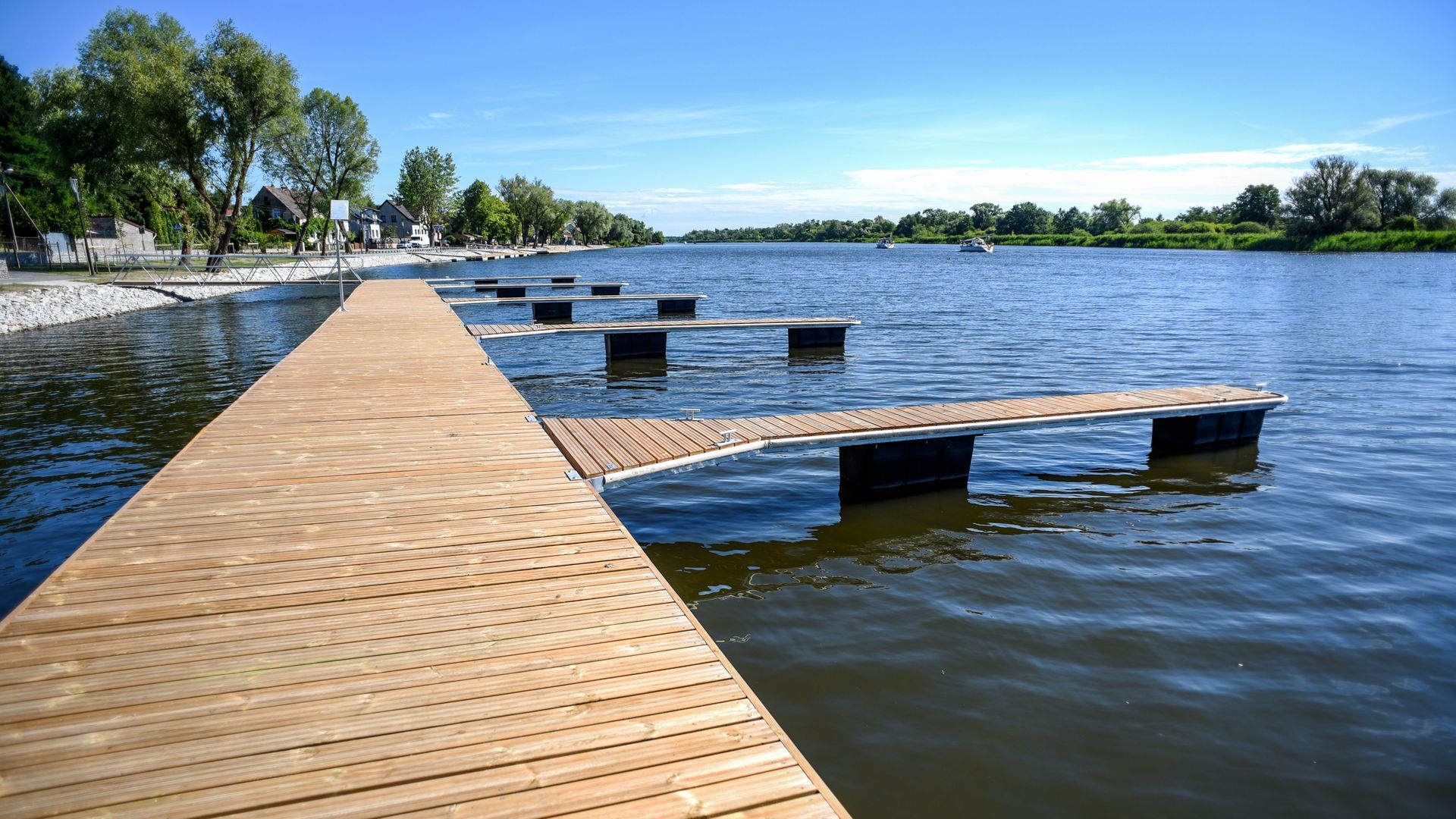
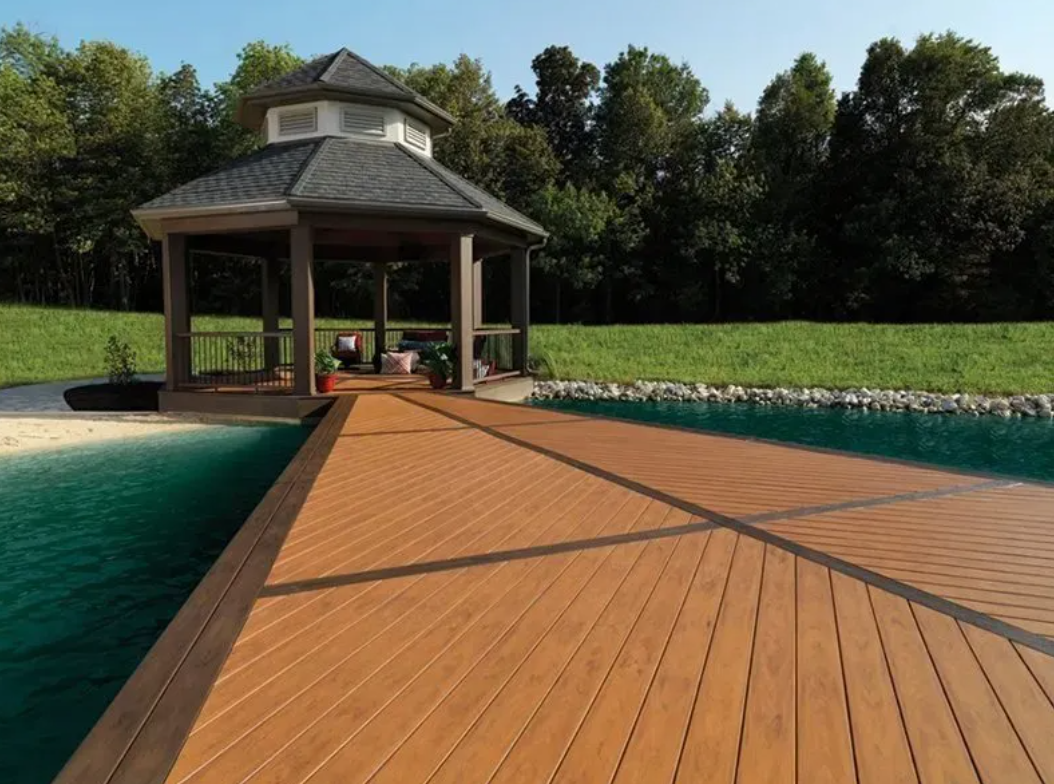
Piers, boardwalks, and boat slips experience continuous punishment from shifting tides, heavy foot traffic, and abrasive saltwater spray. Utilizing heavy-duty marine lumber material allows dock builders to erect supportive pilings, crossbeams, and stringers that hold their shape against turbulent water surges. The dense composition of treated timber resists mechanical wear, preventing early weakening caused by wave action. Builders also select slip-resistant surface finishes across walking planks to maximize safety for pedestrians and workers handling wet gear along waterfronts.
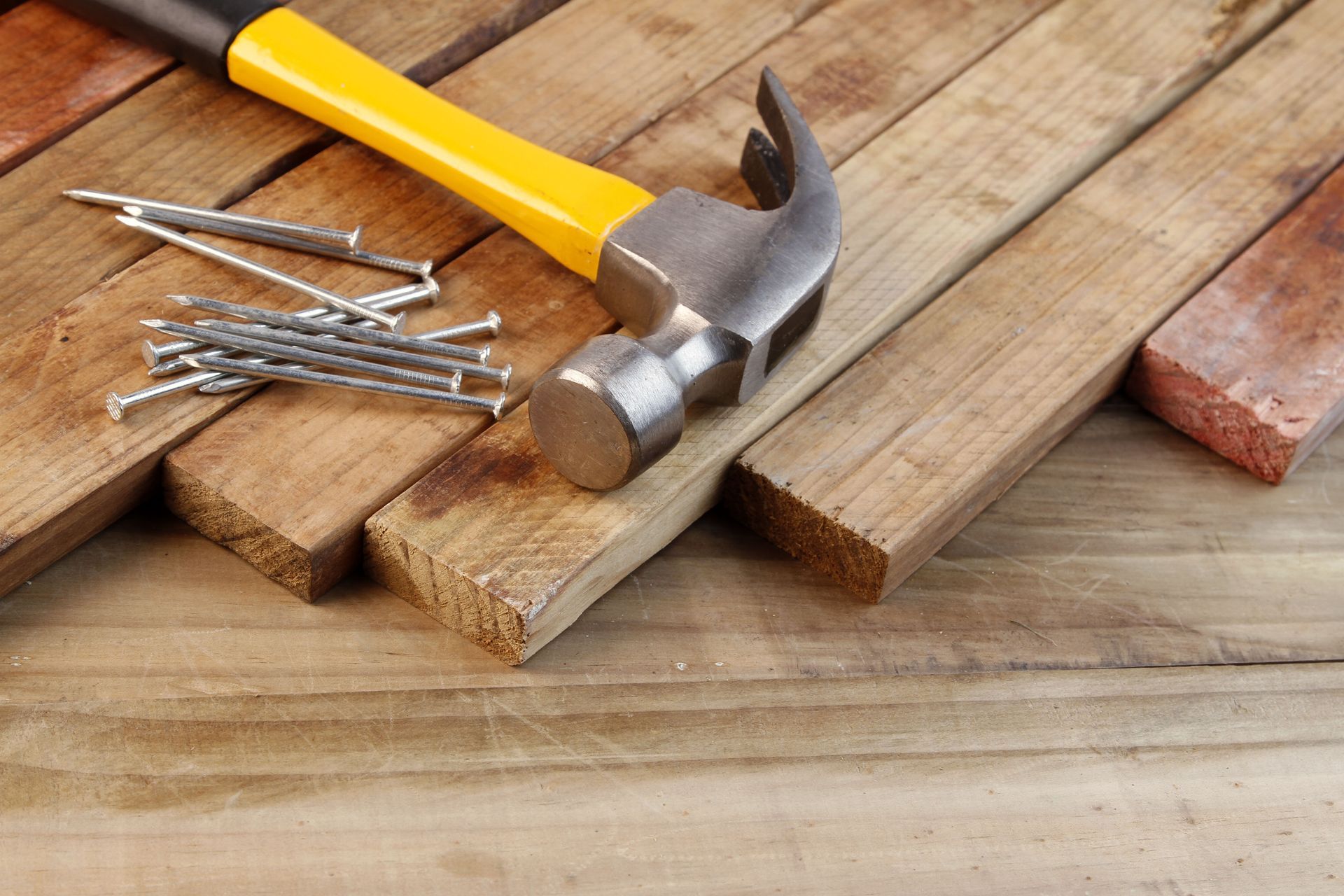
Proper installation procedures remain essential to guarantee that waterfront structures withstand harsh marine climates over extended periods. Contractors utilize stainless steel or galvanized fasteners to prevent galvanic corrosion when joining massive structural timbers together. Conditioning lumber to ambient humidity before fastening prevents irregular expansion, maintaining clean joints and level deck surfaces. Applying protective cap flashing over exposed piling tops prevents standing moisture from initiating premature rot from above. These installation techniques preserve structural stability while ensuring safe access for recreational and commercial vessels.
Preserve Exterior Marine Structures
Routine maintenance safeguards the performance and appearance of any exterior installation constructed with specialized marine lumber material. Periodic evaluations enable property owners to identify early surface abrasions, loosened hardware, or compromised sealants before minor issues develop into structural failures. Salt deposits and surface algae should be washed away regularly using mild cleaners, as accumulated organic matter traps moisture against wooden fibers and accelerates microbial degradation. Reapplying water-repellent sealers at regular intervals keeps timber hydrated while locking out destructive ocean brine.
Timely repairs preserve the structural value of maritime infrastructure and prevent the need for complete rebuilds. When localized decay or surface weathering appears, technicians sand down damaged areas and patch structural sections using compatible nautical timbers. High-grade marine wood accepts adhesives and protective topcoats smoothly, allowing seamless repairs that blend invisibly with existing deck boards. Implementing structured preventative maintenance schedules protects capital investments, lowers lifetime ownership costs, and ensures that exposed maritime facilities remain safe, structurally sound, and visually striking.
Craft Weatherproof Outdoor Furnishings
Coastal homeowners and upscale resorts frequently choose marine lumber material to construct bespoke outdoor furniture that withstands relentless maritime air. Standard patio furnishings made from untreated wood or low-grade metal corrode, warp, and discolor swiftly when exposed to humid sea air and salty coastal breezes. Dense nautical timbers like teak and specialized cypress resist fungal growth and insect infestation naturally, allowing tables, benches, and loungers to remain outdoors year-round. Furniture makers leverage this exceptional resilience to produce elegant collections that retain refined appeal across years of coastal exposure.
The warm grain patterns and natural coloration of marine-grade wood provide an inviting aesthetic that complements scenic waterfront views. Skilled craftspeople shape and join these timbers into ergonomic seating, poolside sun loungers, and expansive dining sets designed for outdoor entertainment. Penetrating finishes and protective oils accentuate the organic beauty of timber while creating an imperceptible moisture shield against sudden rain showers and morning dew. Choosing sustainably sourced marine lumber allows property owners to enjoy luxurious outdoor spaces while supporting responsible forestry management across vital global ecosystems.
Marine timber continues to serve as an indispensable resource for commercial builders, maritime trades, and residential design enthusiasts alike. Its proven resistance to fungal decay, moisture saturation, and intense weather makes it the premier option for projects located near or directly on the water. From robust boat hulls and commercial marina docks to stylish patio furniture and structural boardwalks, this resilient material delivers peerless structural longevity and aesthetic appeal. Selecting appropriate timber species, executing precise construction methods, and maintaining protective barriers guarantees that aquatic installations remain reliable for generations.
Investing in premium marine lumber material prevents premature structural failure and reduces long-term maintenance costs across demanding seaside projects. Quality materials provide the essential foundation needed to construct durable watercraft, safe harbor docks, and breathtaking coastal properties that effortlessly withstand the elements. Contact us at Shoreline Lumber Inc today to secure dependable building supplies, and let our dedicated team support your next coastal project from start to finish.
Marine Lumber Material: How to Choose Wood for Docks, Boat Repairs, and Other Water-Exposed Projects
Share On: